Whether in the form of a movie, book, TV show, mini-series, or exaggerated tale from a coworker’s morning-after procrastination disguised as brewing more coffee, I soak it all up, let it sink it, and then analyze it to death. (Okay, I don’t always wait for it to sink in.)
Still. Why? How? Who? Where? When? What? WHY?!
I’m more apt to write about what I do like than what I don’t like, so expect more recommendations than cautionary cues. There are a lot of ridiculous excuses for entertainment out there, but I don’t want to be the reason someone doesn’t watch the movie that might become their favorite or read the book they can’t put down. And knowing the emotional exhaustion it takes to breathe life into a creative project, I don’t like to smash the efforts of other creative thinkers to bits.
And me? What do I love besides stories in all of their glorious forms?
Sitting by the pool.
Eating linguini.
Twirling my hair.
David Foster Wallace
Baseball.
Pajamas.
Too much coffee.
Board games.
French fries.
Dennis Lehane.
Crossword puzzles.
Sunglasses.
Mornings.
Gigantic bathtubs.
Dresses.
Rupert Friend.
More Coffee.
Exercising tomorrow.
Not camping.
Wondering if I’m being people-watched.
Trivia.
The ’90s.
Documentaries.
Chantecaille lip gloss.
Everything pink.
Cats.
Roller coasters.
Alphabetizing.
Fountain soda with lots of ice.
Fluffy towels.
That’s all. I’m pretty simple. I hope you enjoy my blog. ☺
We swooned like giddy schoolgirls the second Rio (played by Manny Montana) waltzed on to the screen in Good Girls with his threats and homicidal tendencies that he didn’t follow through with because Beth (Christina Hendricks) sold him on her and her fellow good girls’ (Retta and Mae Whitman) worth, giving us the ultra-sexy bad boy who did bad things that we didn’t have to witness (instead of an ultra-volatile psychopath who shed blood smack-dab before our very eyes), so it was all good.
Then he shot Dean (Matthew Lillard) and we realized he was a little more serious than we thought.
But Dean lived. So it was fine.
And Beth agreed. Her fantasies kept surmounting and her long-anticipated affair with Rio finally happened and we were oh. so. thrilled. But then he became such a pain in the ass that she shot him and stupidly thought she was rid of him for good.
Uh huh. No such thing.
A guy like Rio doesn’t stay dead just because some housewife fires a few rounds into him. So our hearts fluttered because our Rio was ALIVE! And he could come back into Beth’s arms and their love-hate thingamajig could pick up where it left off.
Right?
Wrong.
Rio has the good girls (and us!) scared senseless, his interactions with Beth make us feel weirdly self-conscious, and the sexual tension is GONE. But luckily he’s not killing Beth or trying. Dean did tell Beth that Rio hasn’t killed her because he won’t kill what he loves, and we really really wanted to believe that was true. But Beth’s point about how it’s not her that Rio loves, it’s money that Rio loves, and she’s his cash flow, and that’s what’s keeping her safe, was an unwelcome revelation that we wanted Beth to take back. Because we want Rio to love Beth dammit! But we also want the old Rio back. We want the less scary Rio with the dreamy eyes that put us in full meltdown mode as our hearts fluttered and we forgot what we were doing for a sec.
Apparently Beth’s attempt to murder him in cold blood has changed him. Oops?
(Although I still think Beth is only partly right about the whole love thing and Dean kinda knows what’s up.)
The past few episodes, however, have been unnerving. Rio’s evil side has gotten real. And no, not in the grouchy, demanding, threatening kinda way that we’re used to, but in the “Rio really does kill people!” kinda way that we’re so not used to and would very much like to not get used to.
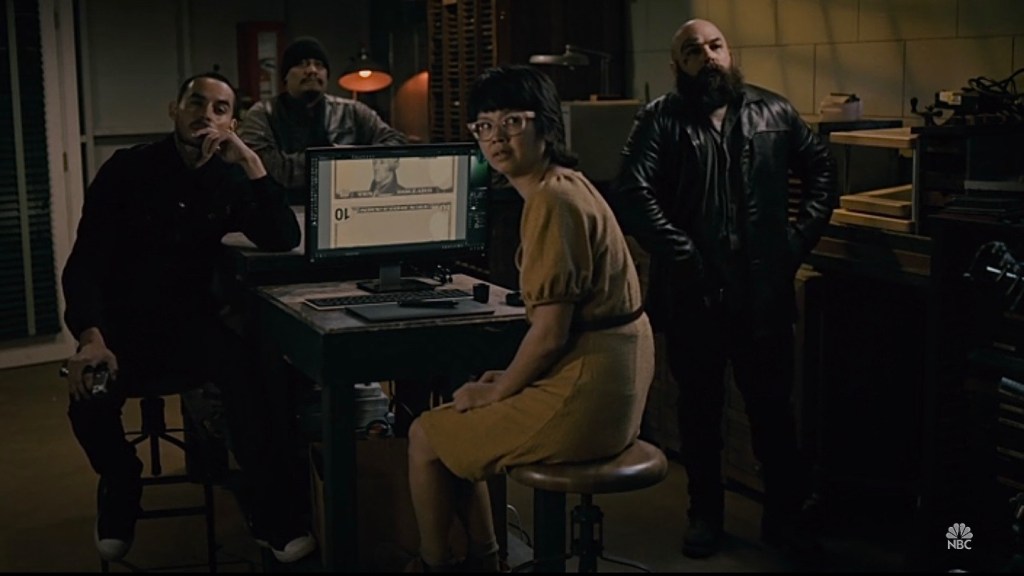
Manny Montana, Charlyne Yi, Carlos Aviles, Matthew Lillard, and Christina Hendricks in Good Girls. NBC.
When Beth tricks Lucy (Charlyne Yi), her graphic-design-genius coworker friend, into helping the good girls make a passable Alexander Hamilton, she doesn’t realize that the end result is going to be a Rio-ordered bullet into Lucy’s head. And okay, Rio’s a bad guy and bad guys do bad things (like kill people), but they aren’t allowed to kill people like Lucy, who we were hoping would stick around as a series regular with her weird ramen noodle setup and mushy boyfriend (Wesam Keesh) who shopped for her feminine hygiene products and used pet names that made us cringe. (And she had that cute bird.)
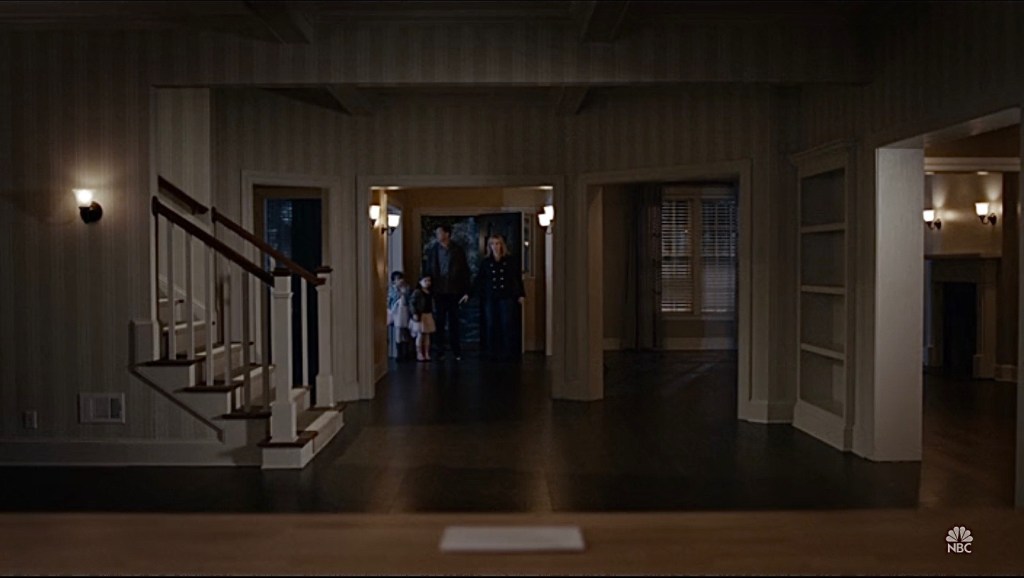
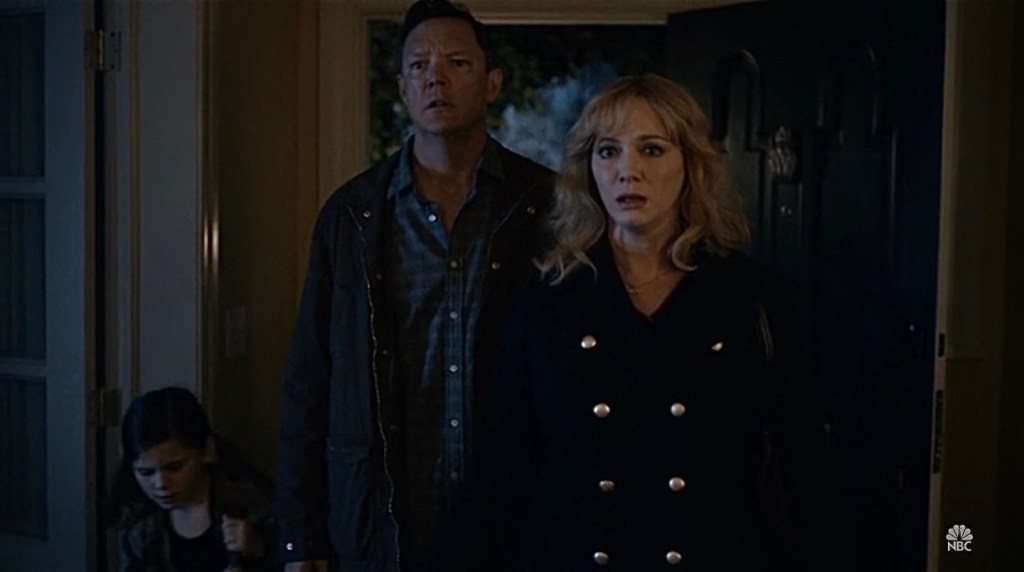
And then Rio stole Beth’s furniture. What a way to arrive home with your husband and four children (and did they have that new pet snake with them?). That was typical Rio behavior, but the glaring warning that came with it gave us goose bumps now that we have that memory of his henchman (Carlos Aviles) killing Lucy.
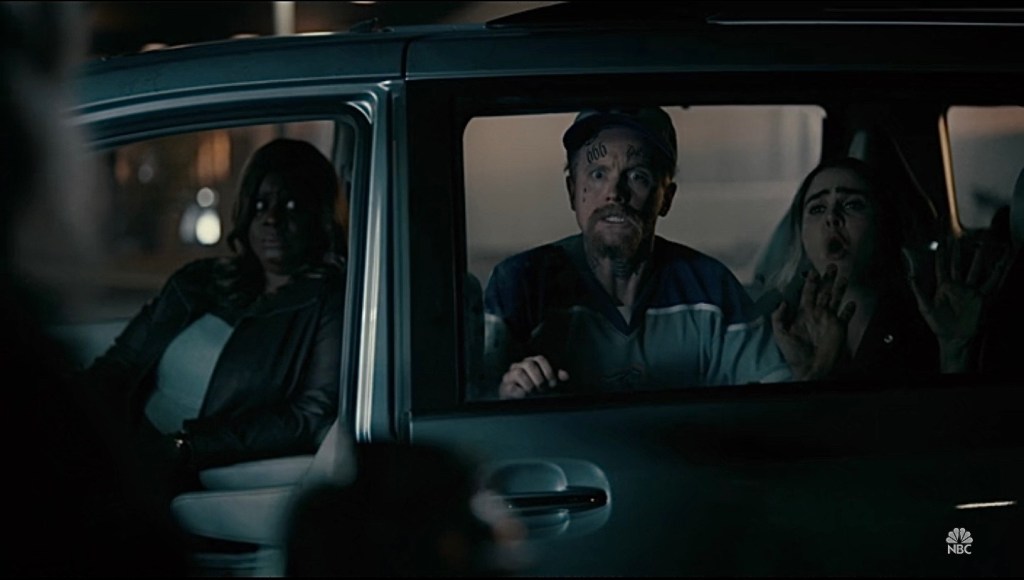
And now Leslie (David Hornsby)! Okay, so Leslie has been problematic since day one. He’s creepy and racist and a little bit of a tattletale. He also might be a rapist. But he’s too pathetic not to feel sorry for when Rio’s guys are hauling him off kicking and screaming in a body bag. Not that we’ll miss him even a little bit, but couldn’t they just let him go to Canada?
Christina Hendricks, Retta, David Hornsby, and Mae Whitman in Good Girls. NBC.
So this is Rio now. He kills adorable Asian girls and whiny grandma’s boys.
We don’t love him anymore. I repeat: we don’t love Rio. Whether or not we change our minds later is beside the point. Right now, we wish Lucy’s boyfriend had shot him instead of wetting his pants.
(But yes, we’ll check back in later with an update on our willpower.)
Ellen, a photographer in New York City, doesn’t realize that her world is about to be thrown into upheaval when she casually passes her ex-boyfriend, Leo, in the middle of a busy intersection on a rainy day. Leo, whom she still resents (and kinda has leftover feelings for) due to lack of closure after their devastating breakup eight years ago, barely waits minutes before contacting Ellen, eager to catch up and become a part of her life again. And Ellen might see it as a fated intervention if she wasn’t married to Andy, an attorney from Georgia whose sister is Ellen’s former college roommate and best friend in the world.
But as much as Ellen tries to avoid falling back into the hold Leo once had over her, and as much as she tries to convince herself that she’s moved on, she can’t shut the door and never look back with the force that’s so easy to claim, especially after Leo, who’s now a distinguished reporter in an industry Ellen has long dreamed of breaking into, comes to her with a business opportunity that’s almost too good to be true. Suddenly Leo’s offer of friendship is all the more hard to refuse.
Ellen’s dilemma is further complicated when Andy’s father offers him a job at his law firm in Georgia, a proposal that could uproot them from the fast-paced city streets that Ellen loves to the upper-class suburbs in a conservative town with few career opportunities for Ellen, who doesn’t want home-and-garden photos to become her next big thing.
Reminiscing on her former relationship with Leo, she struggles to figure out whether or not she chose the path that truly coheres to a lifestyle she fits into. Then Leo reveals a long-withheld secret that gives her new insight to their heart-wrenching breakup, causing her to re-examine every decision she’s made since. As Ellen toes she line between subtle trickery and outright deception, she risks reaching a point of no return.
Infidelity is a tough plight to examine, but the poise and responsibility Giffin uses to present the issue is redeeming in itself as we see Ellen facing hurdles that threaten her marriage, her friendships, and the solid footing she’s worked hard to obtain. As is explored throughout the course of the novel, betrayal isn’t always black and white, and although not all of Ellen’s actions beg for urgent forgiveness, Giffin provides a practical glimpse into Ellen’s struggle that helps readers empathize.
Giffin wastes no time moving the story along and provides honest insight into each character’s feelings, thoughts, motives, and gifts and flaws alike. What we have are relatable characters whose errors in judgment don’t make them anything other than human, and what unfolds is a thought-provoking tale about the collision of two worlds and the self-discovery that comes with it.
Eyes Wide Shut was heavily criticized when it debuted in theaters in 1999. Like most of Stanley Kubrick’s projects, it’s a movie that a large portion of viewers didn’t get. Sometimes if the meaning doesn’t hit us over our heads with a golden hammer and we have to think about it even a liiiiiiiittle bit, our interest wanes fast. There are the straightforward entertainment seekers, but understandably, the artistically-appreciative also have their days of wanting to sit back with non-stop action, direct storylines, and time frames that won’t disrupt a short attention span. But whatever one’s preference, a lack of understanding or even utter distaste just means that Eyes Wide Shut isn’t for everyone, rather than “it’s so stupid because I don’t get it.”
Still, it’s okay not to get it. Or like it.
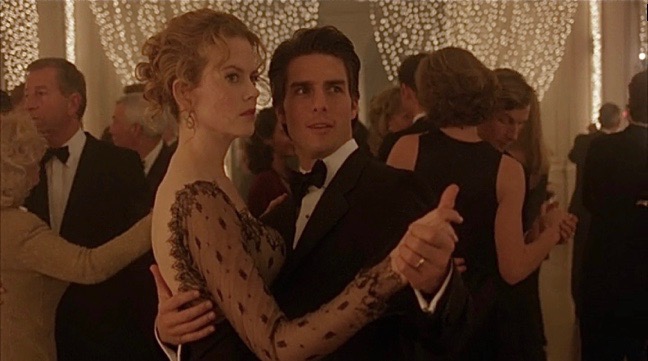
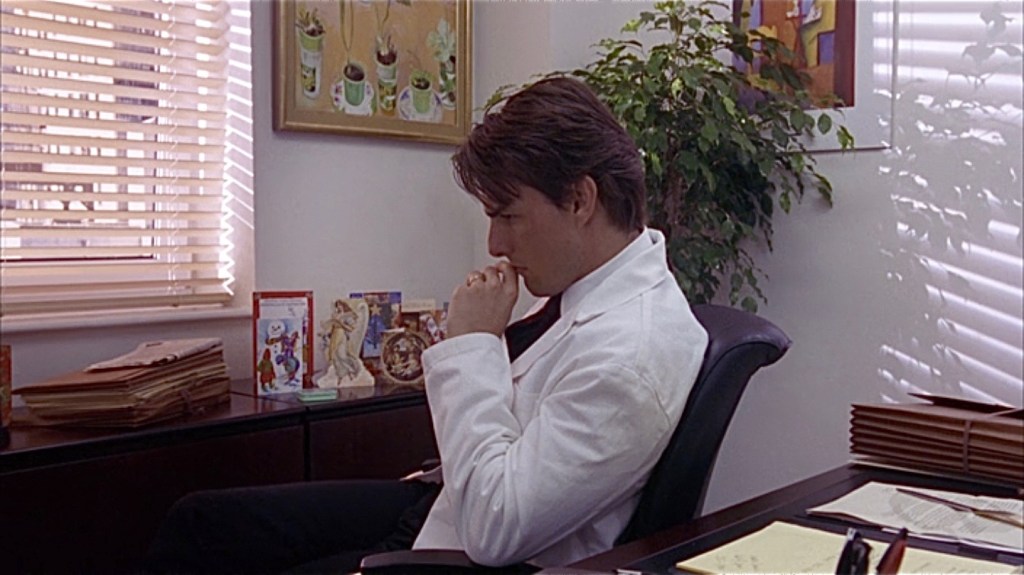
Bill (played by Tom Cruise) is a well-off doctor who purposefully lives in ignorance of the evils masquerading within reach of his charmed life, which he thinks is a Claude Monet painting where his wife, Alice (Nicole Kidman), notices no man besides him unless she says otherwise, people mean well as long as he doesn’t inquire further, and everything around him is as neat and tidy as the package it comes in. But after a disturbing admission from his wife, Bill wanders out for a night full of detours that will warp his perspective on whether ignorance really comes without a price.
Eyes Wide Shut begins with Bill and Alice heading out to an extravagant Christmas party at the home of one of Bill’s wealthiest clients, Victor (Sydney Pollack). Alice asks Bill if he knows anyone else at the party, to which he responds, “Not a soul.” When she then asks why Victor invites them every year, Bill proudly announces, “This is what you get when you make house calls.”
But it’s quite an eventful night for a couple of outsiders. We’re introduced to the desirability of both when two gorgeous women (Louise J. Taylor and Stewart Thorndike) who likely steal the attention of every man they approach take a keen interest in Bill, and a handsome, older man (Sky du Mont) captivates Alice with his seductive charm. But before either can make their way back to each other, Victor calls Bill upstairs to tend to a medical emergency that Victor wants kept quiet – from his wife (Leslie Lowe) and pretty much everyone. (Bill should step out of his Monet and pull an act of moral superiority on Victor, but the party invites are nice, aren’t they?)
Fast forward to the following night, where Bill and Alice get high in their bedroom and have an argument that stems from Alice’s sudden hostility and insistence on twisting Bill’s words when she questions his fidelity. Desperate to make a point, Alice tells Bill that her own fidelity isn’t so sound – an odd response to him telling her he trusts her, but the entire quarrel is odd, so why wouldn’t this part be, too?
Bill, too astounded to speak, gets a call that a client (Kevin Connealy) has passed and is thankful for the excuse to get away from Alice and clear his head. But maybe he should have stayed home. Or maybe Alice shouldn’t have opened her mouth to begin with.
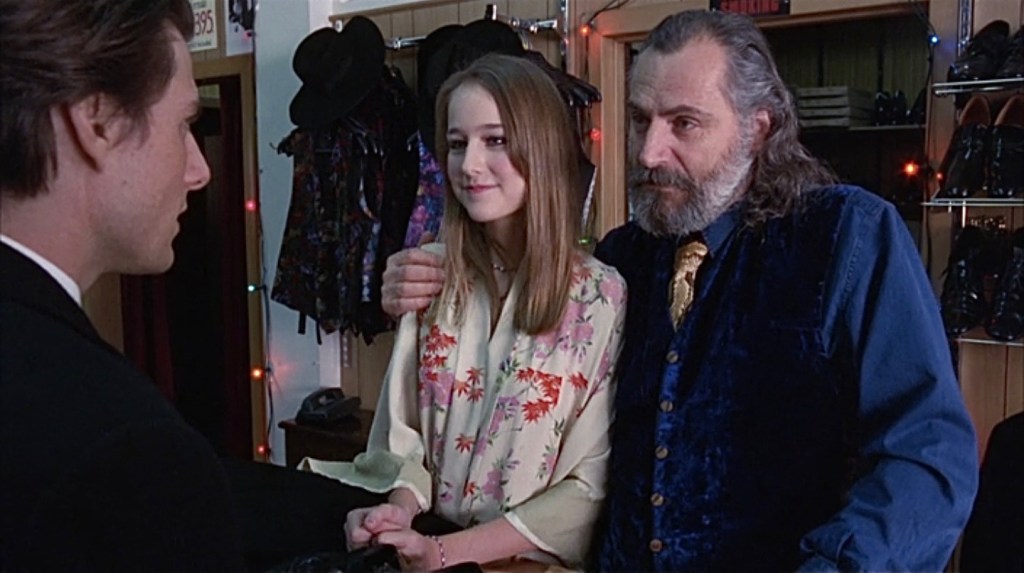
The slippery night begins with an awkward encounter where Bill’s late client’s married daughter (Marie Richardson) professes her love for him, sending Bill rushing back out onto the cold streets of New York City, where a prostitute (Vinessa Shaw) who lures him up to her apartment, an old medical school buddy turned pianist (Todd Field) who too easily allows Bill to extract the address of a super secret event at which he’s about to perform with a blindfold on, and a costume shop owner (Rade Serbedzija) and his sexually-charged teenage daughter (Leelee Sobieski) each play a careful role in the rubble that awaits Bill’s exit from his final stop.
Tom Cruise in Eyes Wide Shut (1999)
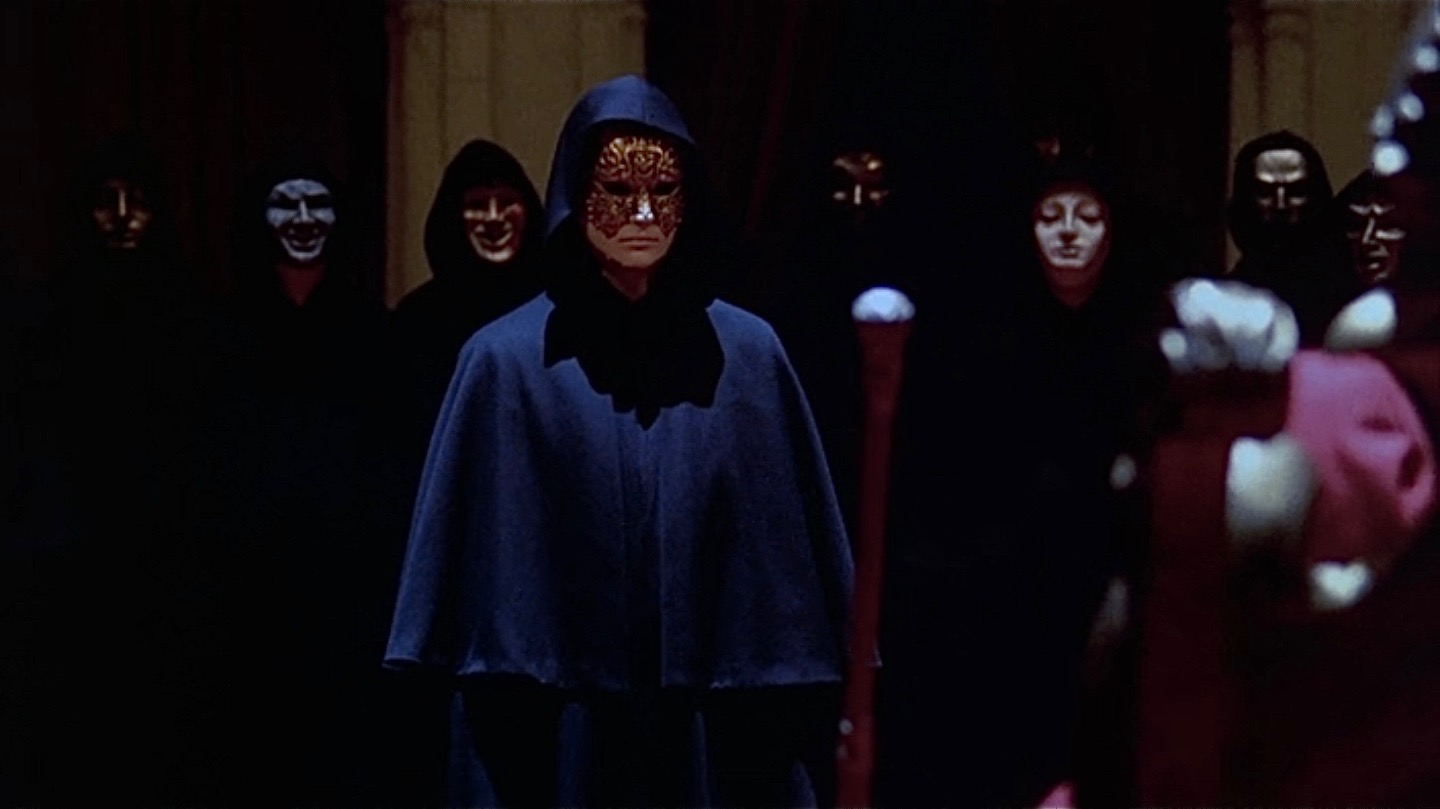
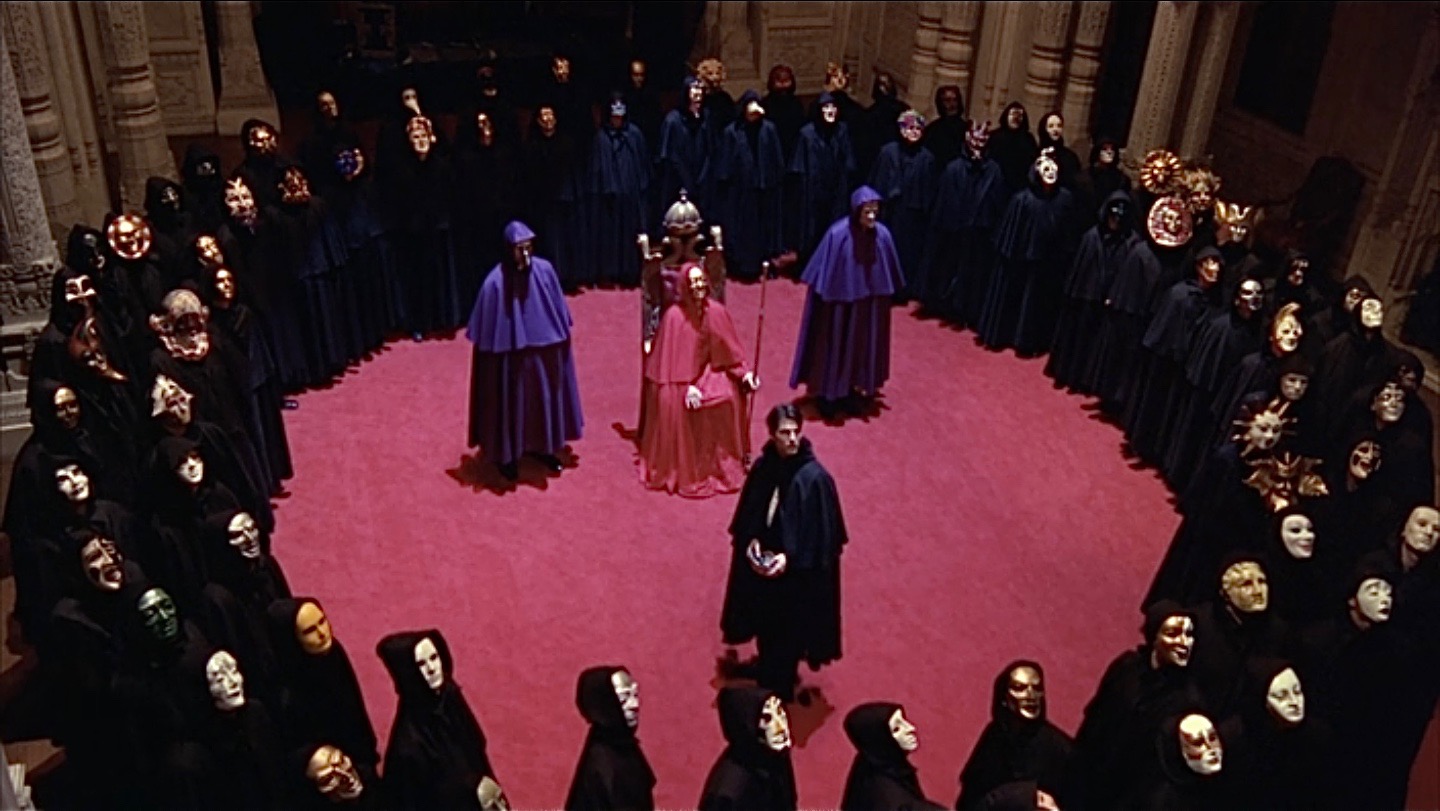
Bill pulls up to the mansion of all mansions, which hides behind two guards, an electronic gate, a very long driveway, and a password that he got from his pianist friend. And no joke, Bill’s grand arrival in a yellow taxi that he hailed from the city streets doesn’t make him feel anywhere near as out of place as he absolutely 100% without a doubt is. If he didn’t want to sound any alarms, he’s not off to a great start, but Bill is forever like a kid in a candy store that eats from the bins and has no idea when he’s long overstayed his welcome – so he thinks he blends in splendidly. And he knows the password, so he’s granted entry after assembling himself in his black cloak and mask that covers his entire face, only allowing for sight and breath.
What Bill sees goes beyond anything his imagination conjured. His friend warned him to be amazed, but, all things considered, his friend sounded more like a child rattling on about a theme park than he did a grown man set to attend a ritualized orgy where countless masked women wander the grand halls and stadium-sized ballrooms fully nude and fully willing to have exhibitionist sex with whichever men desire them. But the festivities have barely begun before Bill is warned by one of the masked women (Abigail Good) that he’s “in great danger and must get away while there’s still a chance.” Since he’s too naïve to take her advice, Bill tells her that she’s mistaken him for someone else and veers off to give himself an eye-opening tour.
It only takes Bill a few minutes to realize that when someone tells him he’s in danger and he needs to run, he’s in a danger and he needs to run. After a terror-stricken moment that could have left him bruised, bloody, dead, or, with luck, just a tad embarrassed, he’s fortunate enough to escape but not fortunate enough to outrun the consequences. His not-so-graceful departure stirs his anxiety that whatever he just witnessed strays far outside the parameters of normalcy that even the most elite of the elite partake in.
Bill tries to make sense of it all by making too much noise (for once in his life) with questions and persistence that don’t bode well with those his questions and persistence threaten to unmask – literally. But even after receiving threatening notes, eying a stalker who makes it a point to be seen (he seriously all but waves), and noticing that people are disappearing or dying, Bill keeps prying. These people go to great lengths to keep their orgies a secret (as if rich people don’t have orgies all the time), and Bill wants to know what the heck is going on.
Bill is on a quest to find out. Whether or not that’s a relief is relative. He’s book smart, but his street smarts (or lack thereof) are what got him here, so our faith in him is hard to conjure.
Tom Cruise in Eyes Wide Shut (1999)
And for real, what the heck is going on?
Despite prolonged scenes and drawn-out dialogue that some will find frustratingly boring, others will find intrigue in Eyes Wide Shut’s ability to hypnotize viewers with a hunger for what’s about to happen at every given moment the entire 158 minutes through. Hanging on every word and tracking every movement is constant while also fighting to break away if Stanley Kubrick’s eccentricity just isn’t your thing.
Kubrick’s always got something to prove, and this time it’s highly regarded as his recognition that the wealthiest people rule the world and cover up their wrongdoings, using any and every resource to make their hands appear clean. But…not quite. That’s too obvious of an underlying theme for Kubrick, even in a film made over two decades ago.
So let’s break it down.
WARNING: SPOILERS AHEAD
Bill stumbles upon a secret society of powerful men who anonymously satisfy their carnal urges by having masked orgies with prostitutes. Victor, it turns out, is one of the head honchos for these rituals, and the shame the prostitutes symbolize is hidden away upstairs at his Christmas party, where discretion is demanded from Bill after he saves an overdosed prostitute’s life. Why the need to symbolize shame? Because Kubrick was pointing at something bigger than ritualized orgies with willing prostitutes, which aren’t all that shameful in comparison to his metaphor.
Vinessa Shaw, Tom Cruise, Leelee Sobieski, and Rade Serbedzija in Eyes Wide Shut (1999)
The random encounters throughout the movie aren’t random; they’re hints. Bill meets a prostitute named Domino who takes him to her apartment and settles into her bed beside a stuffed toy tiger (a seemingly out-of-place encounter). When he leaves, his pianist friend points him in the direction of the grand event, which he tells him he’ll need a cloak and mask for. While renting a costume for the event, Bill happens upon a bizarre situation where the costume-shop owner finds his young daughter in a compromising situation with two adult men, whom he locks in the room until he can finish up with Bill and then call the police. When Bill returns the next day to return the costume, the shop owner’s daughter appears with the two men from the night before, who obviously spent the night. When Bill asks why he didn’t call the police, the shop owner claims they came to an agreement instead and that Bill should let him know if he’s ever interested in their other services. All the while, the teenage girl stares seductively at Bill.
Well, that’s interesting.
And then Bill decides to pay Domino another visit. But she’s not home. Her roommate, Sally (Fay Masterson), however, informs Bill that Domino got a call that morning and was told she’s HIV positive. (Good thing Bill didn’t sleep with her, eh? No, loyal Bill left because he couldn’t bring himself to cheat on Alice.)
Initially the question of Bill’s fidelity was left dangling when Victor had him pulled out of a tempting situation to attend to an overdosed prostitute, but by the movie’s end, the question is answered. He allows himself to be tempted, but he doesn’t allow himself to give in. Not even after his wife admits that she would. Whatever Bill stumbled upon the night before, and whatever his intentions, his decency and good will are difficult to refute.
(It’s hard to discern what Bill was supposed to do with his wife’s admission in the hours that followed and if he can now ever look at her – and their marriage – the same. And if he can, how?)
Unfortunately, unlike Bill and Alice, Domino doesn’t come out of her situation unscathed. Instead, it hands her certain death.
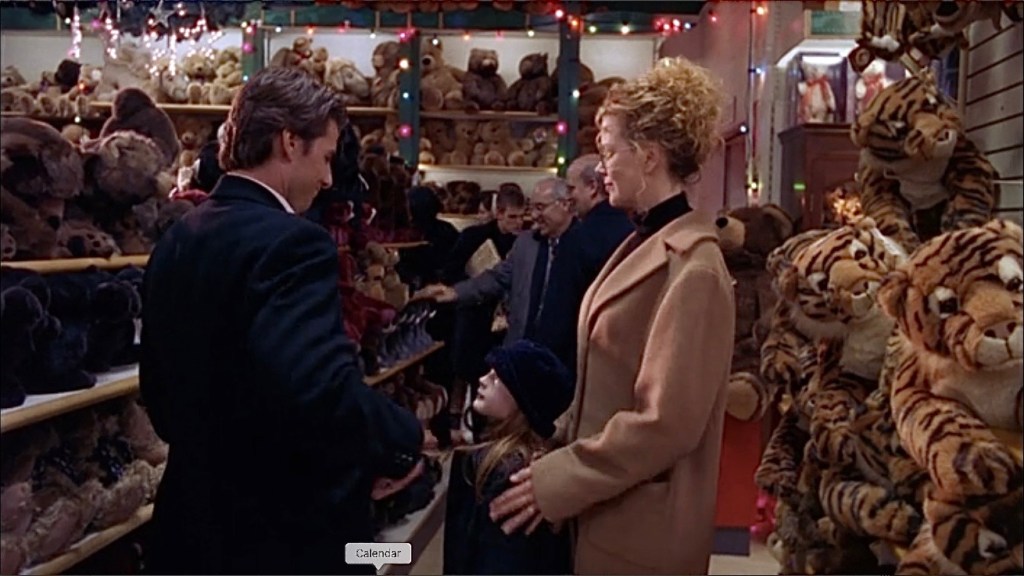
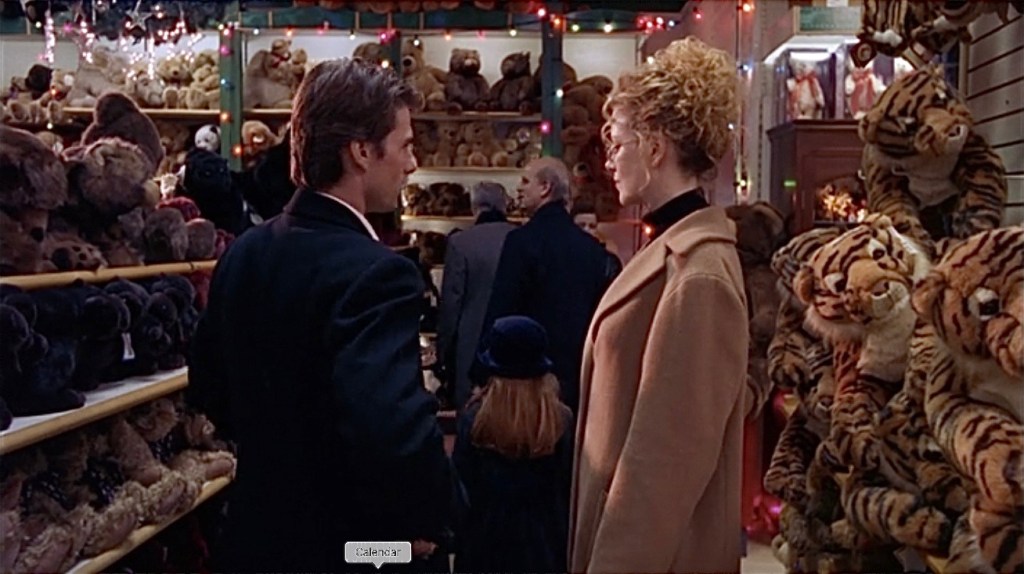
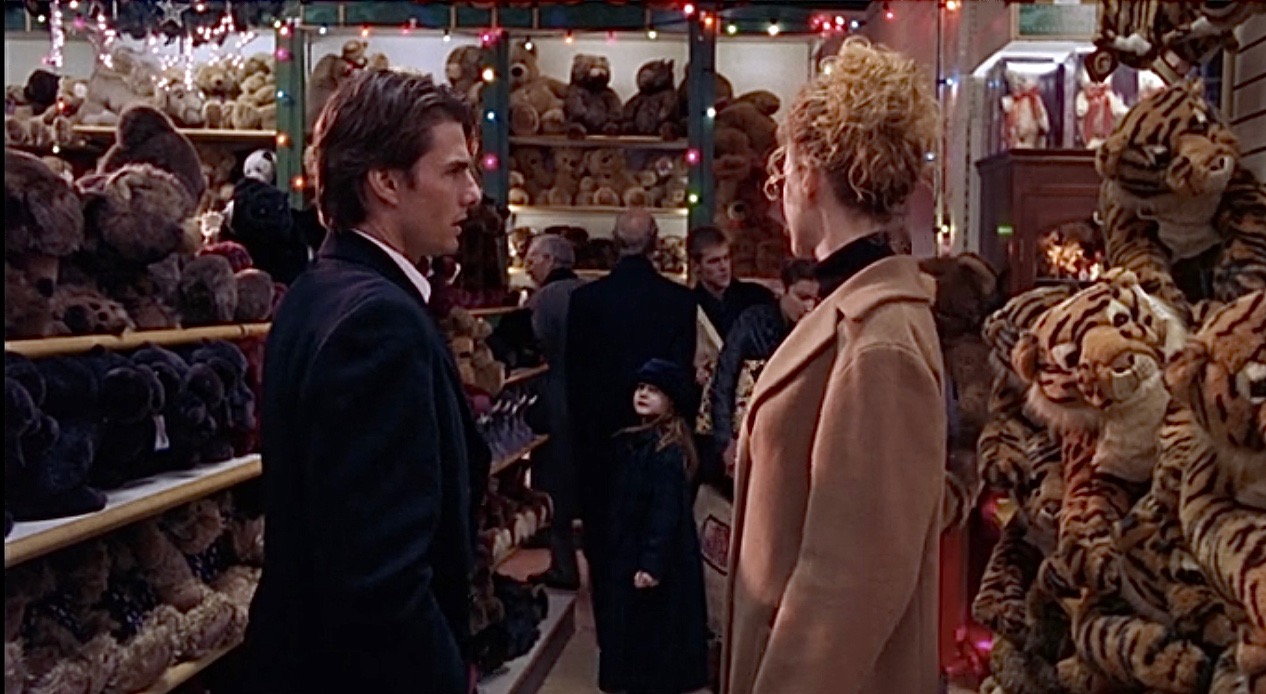
But Kubrick’s main point keeps on mounting when Bill, his wife, and his little girl stop in the middle of a toy store directly beside a display of at least 10 stuffed toy tigers like Domino’s, signifying a link between prostitutes and children in the film. And directly afterwards, Bill’s daughter, Helena (Madison Eginton), follows the two men in the background around the corner of the aisle, and that’s the last we see of her. That wouldn’t seem too odd, but these two men were also seen early on in the movie at Victor’s party. Add all that up and it’s curious why these two men showed up in the background at a toy store and exited the scene with Bill’s little girl at their heels.
Tom Cruise, Madison Eginton, and Nicole Kidman in Eyes Wide Shut (1999)
Popular speculation by fans of Stanley Kubrick has been that the party of orgies in the film represents parties in Hollywood where child actors are introduced to the world of powerful pedophiles, and many of these child actors’ lives fell apart as a result. (Domino’s positive test results for HIV and Mandy’s fatal drug overdose during Bill’s “investigation” are two indications.)
And Stanley Kubrick wasn’t “allowing” (as some have put it) the rich and powerful to get away with it; he was showing the world that that’s exactly what was happening. With former child actors like Corey Feldman, Elijah Wood, and Ronan Farrow having recently come forward to say this is exactly what happened to them and/or the child actors they worked with (e.g. Corey Haim, Nicole Eggert, Alex Winter, Dylan Farrow, Samantha Geimer, and Todd Bridges) when they entered the industry, how is Kubrick wrong or stupid? Kubrick was always determined to expose the ills of society through his work rather than produce mere entertainment for the masses. That’s the type of artist Kubrick was. I think he succeeded with this one. It’s too bad his artistry doesn’t appeal to the mainstream.
I like Elodie. I do! But Aram needed to stop at “I wanna to break up” and go. Liz (played by Megan Boone) was right when she told Aram that Elodie needs to have a life too, and that his relationship with her wasn’t a suggestion that either of them are bad people.
Regardless, they’re not right for each other. Or rather, she’s not right for him.
Nobody on The Blacklist deserves love more than Aram (Amir Arison). But with his kind heart, giving nature, and ability to be led astray by the wrong woman, he needs someone with an equally kind heart and giving nature, and qualities that won’t call for her to lead him astray. And most of all, he needs someone without baggage.
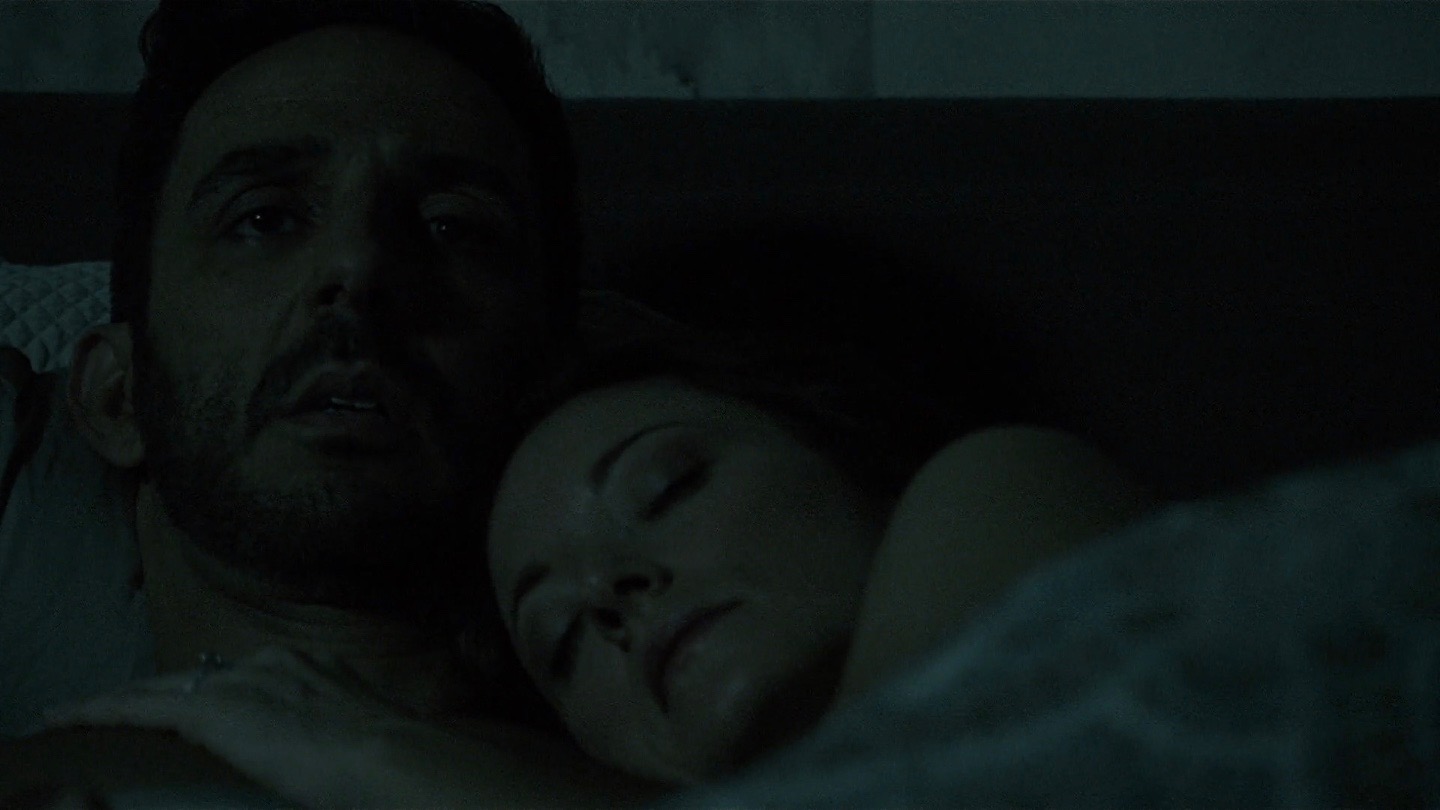
Sure, everyone has baggage, but Elodie’s (Elizabeth Bogush) is too heavy to pick up and move aside, even temporarily. And with the way Aram was eying her unconscious husband (Rich Mollo) while Elodie slept beside him, we’re worried that Aram is tempted to make her baggage more problematic in an attempt to make it go away.
Surely sweet, sweet Aram would only allow it as a passing thought, but even knowing he has the thought is enough to let us know that Elodie is unintentionally corrupting the morals he’s been grounded by since the show began. He refused to let Samar’s (Mozhan Marnò) glitches slide, at one point cancelling their date because of the secrets surrounding her brother and the Mossad, and at another point all but telling her to “go to hell” because she had a hard time forgiving Liz for faking her death. I’d hardly think Elodie surpasses Samar as someone to consider veering off track for.
Then again, Aram is rebounding, and that can do a guy in. Hopefully tonight we’ll get more juicy tidbits on their peculiar relationship!
After too many months of torture, NBC’s The Blacklist returns tonight with an all-new episode (finally!). And while we are stoked, some of us are also perturbed and confused and on the verge of saying things about Liz that we’ll regret.
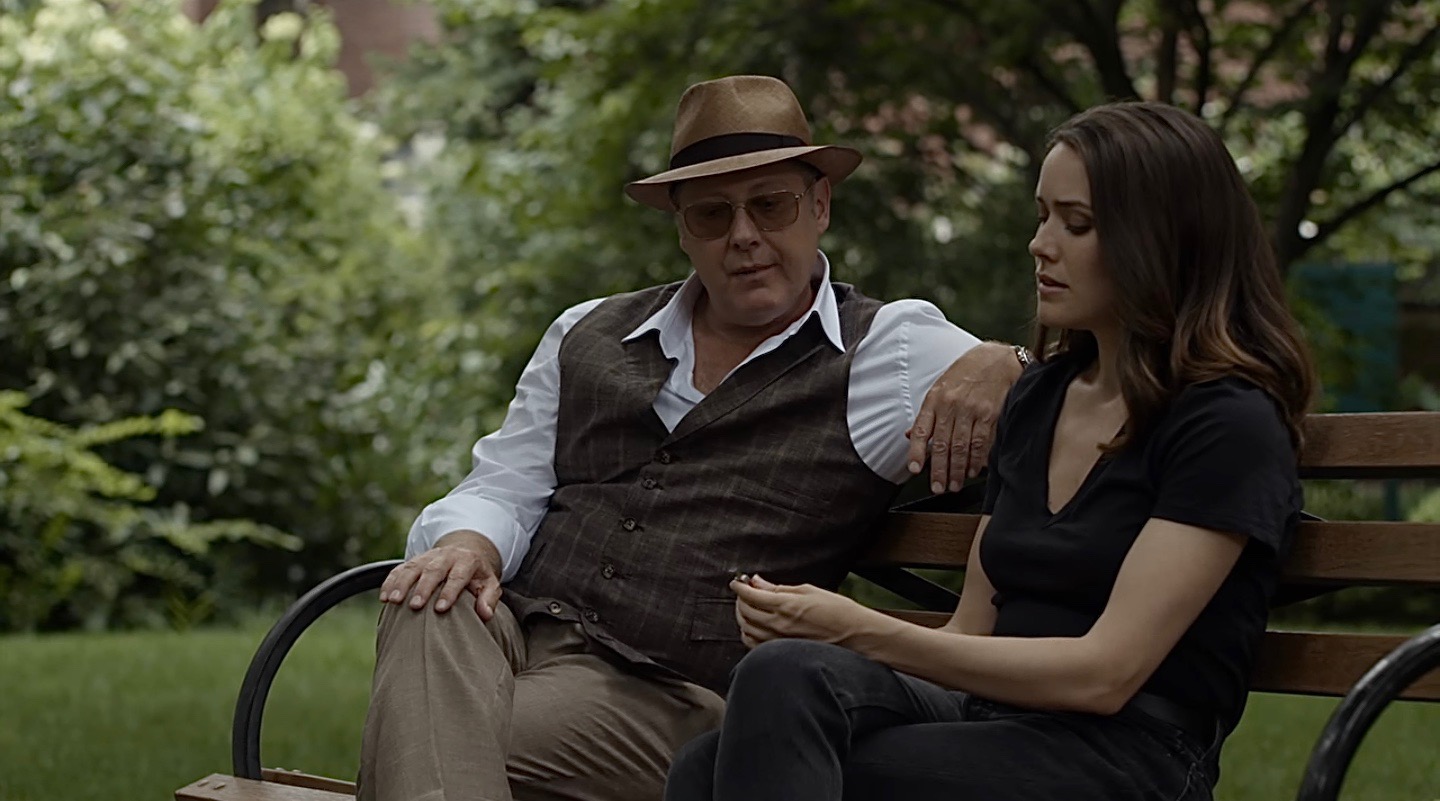
At some point during the seven-and-a-half seasons of the show, we thought Liz (Megan Boone) would make up her mind about whether or not she was on Red’s (James Spader) side. We didn’t expect her to trust him straight away or overlook his own deceptions, but COME ON. Whatever betrayals Red has made with the intent of expanding his criminal empire and keeping his secrets buried, he’s never lied to Liz, he’s never intentionally jeopardized Liz’s safety, and he’s never not loved her.
Even after Liz faked her own death and allowed Red to mourn her and blame himself, even after Liz trusted her make-believe father (you know, the guy who kidnapped her and her newborn daughter) over Red and nearly got him killed by this imposter (Urlich Thomsen), and even after Liz turned Red into the police and nearly brought down their entire operation (oh, and put Red on death row), he let her live – and that’s a gift considering he’s never done the same for anyone who’s made him second guess their allegiance in the slightest (minus Dembe, but it’s Dembe! and Red still had to mull that one over). And Red not only forgave; he forgot. And then he continued to go to battle for Liz as if she held no responsibility in the government’s attempted execution of him.
We’d think Liz could pledge her loyalty to Red already and never falter again, ever. But no. After telling Cooper (Harry Lennix) that Red’s real identity is irrelevant because the good he does for “The Post Office” outweighs all that he keeps hidden, she betrays him AGAIN.
Katarina Rostova (Laila Robins) rises from the dead because of Liz’s prying, kidnaps and tortures Red’s oldest and dearest friend, Ilya (Brett Cullen), kidnaps and tortures Red, starts a shootout that leaves Liz’s grandfather (Brian Dennehy) on life support indefinitely, lies to Liz about her identity after killing the woman whose identity she stole, puts Liz’s daughter (Sarah Kell) in harm’s way countless times while pretending to be a nice little nanny neighbor, and then kidnaps Liz, knocks her out cold, and ties her up in the bedroom. But she tells Liz that she’s her mother and can help her uncover Red’s secrets, so why wouldn’t Liz put all her faith into this woman and play double agent when she sees Red again?
Red is smart. What is it about Liz that makes him refuse to learn that she’s never been on his side, and probably never will be?
Tonight’s new episode is going to be rocky, at best. And so so good.
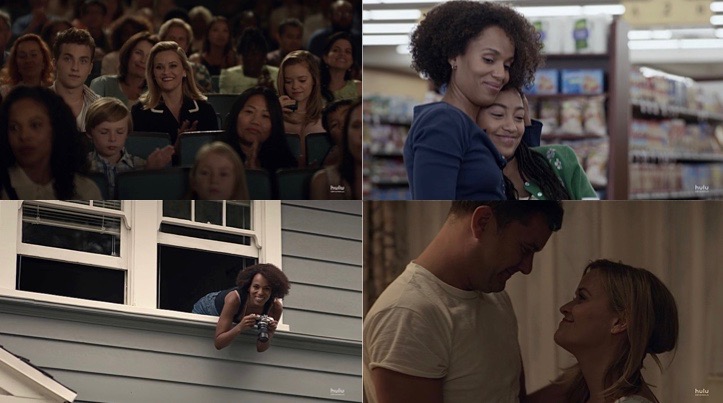
From Nicole Kidman to Jennifer Aniston, we’ve seen Reese Witherspoon take no prisoners opposite some of Hollywood’s most celebrated leading ladies in the past two years alone, so it’s no surprise that teaming up with Kerry Washington would prove yet another dynamic duo we’ve been missing all our lives. Well-meaning ignorance meets no-nonsense skepticism and these two are at the top of their game, bringing the spicy drama that upper-class suburbia isn’t prepared for because what lies inside its heavenly walls overestimated its immunity to disturbance.
Little Fires Everywhere, Hulu’s new series based on the book by Celeste Ng, lets us know that the drama is real, opening with a house engulfed in flames and a forlorn Reese Witherspoon watching it burn to the ground in her housecoat. Police tell her and her husband that the fire was purposefully set, and with their youngest daughter having disappeared, it’s implied that she’s the one responsible. It’s not every day that you’re told your child burned your house down with you inside it, so viewers are rapt by what possibly led the girl to do this. But the officer’s (played by Colby French) final question rings in our ears: “If Izzy didn’t do this, then who did?”
If Izzy didn’t do this, then who did?
Who did…?
Reese Witherspoon, Jordan Elsass, Jade Pettyjohn, Lexi Underwood, Gavin Lewis, Joshua Jackson, and Megan Stott in Little Fires Everywhere. Hello Sunshine Productions.
Four months earlier.
Elena Richardson (Witherspoon) is Martha Stewart meets Kelly Ripa meets Miss Manners, with her perfect balancing act between wife and mother and impeccably-presented workingwoman. In comes Mia Warren (Washington), a closed-off drifter who could stand to let her guard down long enough to see that Elena may be sheltered within the pearly gates of Shaker Heights, but her charitable nature really is just that.
Little Fires Everywhere is set in the late 1990s, in an upscale community that welcomes outsiders as long as they abide by its stringent rules to maintain an orderly visual so that prominence is upheld. Elena and her husband, Bill (Joshua Jackson), are longtime residents of Shaker Heights, unfamiliar with anything less than their six-bedroom house and its manicured lawn and high-society neighbors.
Keeping with a family tradition, Elena rents out a duplex her parents owned and leased at an affordable rate to people not so financially blessed but nonetheless deserving. This is where Mia and her teenage daughter, Pearl (Lexi Underwood), who have been living out of Mia’s car, gain entry to the privileged district of Shaker Heights that would have otherwise excluded them.
Elena and Mia aren’t fast friends, and not because of their difference in social class. Elena tries hard enough, but Mia isn’t receptive to her efforts, which are filled with unintentional slights that result from Elena’s incomprehension as to how people outside of her conventional bubble live. And Mia has no tolerance for it, as well as no difficulty making that intolerance known.
However, as Elena’s tenant, Mia has to get used to her, especially since Elena’s son, Moody (Gavin Lewis), is fond of Pearl and spends more time at her new home than his own. Elena’s reaction to Moody and Pearl’s budding romance is on par with what Mia expects, but Mia reminds herself she has bigger problems. We’re not sure what troubled past she’s trying to outrun, nor are we sure how aware her daughter is of that trouble, but her nightmares of a stalker (Jesse Williams) on the subway and her verge of a panic attack when she notices a police car following her indicate that she comes with many secrets that rule-abiding Elena isn’t going to let fall by the wayside.
As if Elena doesn’t have issues of her own. Her youngest daughter, Izzy (Megan Stott), is going through a rebellious stage that’s alarming on a whole new level when her refusal to wear “normal” clothes escalates to setting her hair on fire. Bill isn’t on board with Elena’s concerns until a humiliating public stunt of noncompliance forces him to take a closer look. And it’s not helpful when Moody and Pearl start breaking the rules as well; although it’s Mia who’s exceptionally pissed off then, reminding her daughter that she’s not privy to the same exemptions from law enforcement as Moody Richardson, whose name grants him special treatment.
But there’s a moment of surrender for Mia when she regrets the harsh punishment she inflicted on Pearl and then sees inside the Richardson’s home for the first time, left dazzled by the overall normalcy and tight bonds among the siblings in such a grandiose haven. Or maybe it’s the generation of a shady opportunity that causes her to concede. With Mia’s jarring approach having spawned our mistrust, we do wonder.
Little Fires Everywhere is going to jerk us through the feud that’s brewing. It’s unlikely that Elena’s social graces will stay in tact when Mia’s fabrications expand into the Richardson household and jeopardize its sanctuary from disorder.
It’s so ridiculous that it’s utterly fantastic. But you’ve never heard of it, and there’s a reason for that. Considering the ultra-suburban setting, the amusingly stiff dialogue (these are awkward people, mind you), the Sunday-best wardrobes, and the fussy characters with their non-stop moments of “are you kidding me” (they aren’t), the plot is out of left field. But it’s also outrageously hilarious.
(Whether it’s outrageously unrealistic – or not – is for another day.)
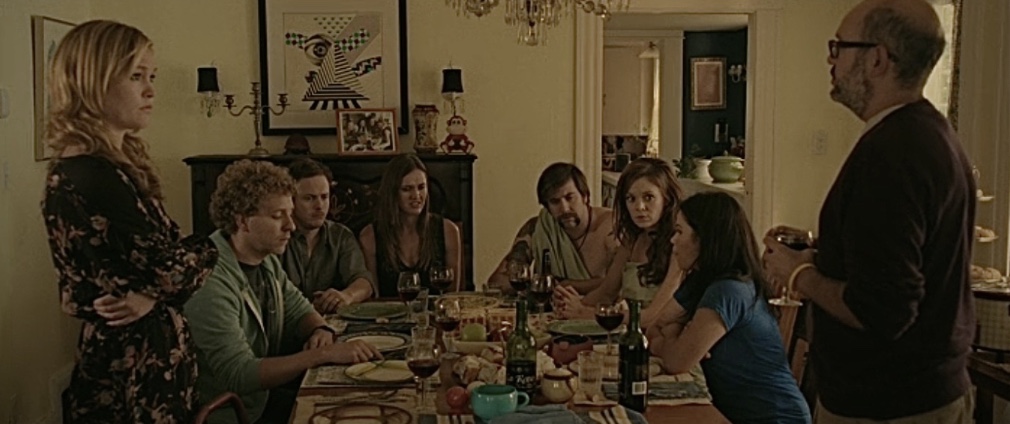
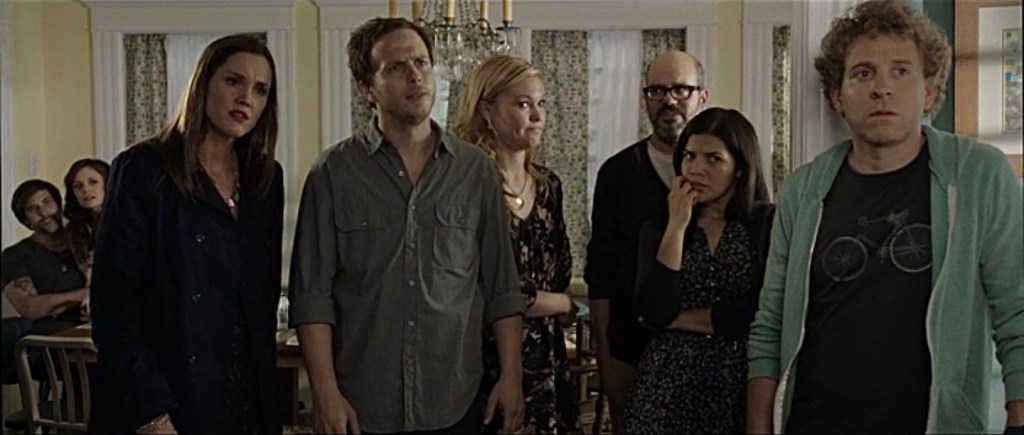
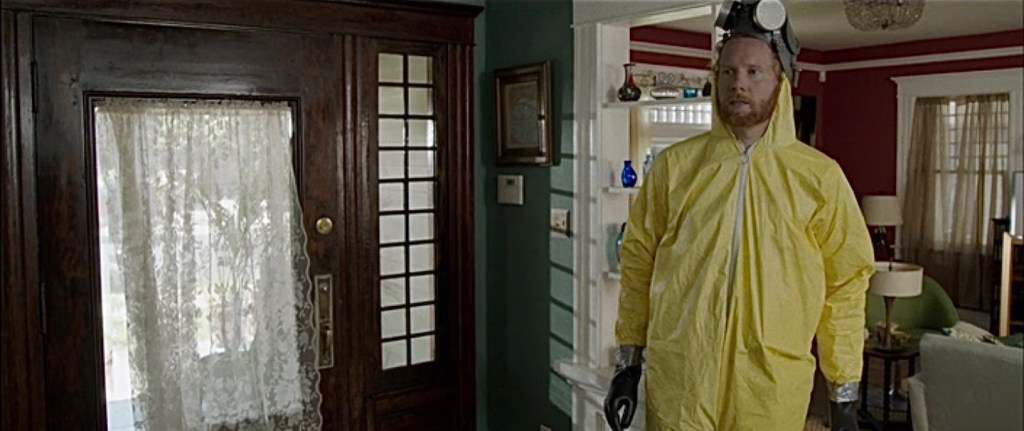
Eight friends get together for brunch and find out that the world is about to end – literally. After fits are thrown because the internet isn’t working and the phone line is down and the electricity suddenly goes out, the Mr. and Mrs. of the house argue about whether the bills were paid until their neighbor (played by Todd Berger) shows up in a hazmat suit, looking for batteries for his flashlight. Whyyyyy is he wearing a hazmat suit, everyone wants to know? Oh, because a bunch of bombs full of nerve gas were dropped downtown and in other parts of the country and God knows where else in the world, so hello, they’re all going to die.
Kevin M. Brennan, Rachel Boston, Erinn Hayes, Blaise Miller, Julia Stiles, David Cross, America Ferrera, Jeff Grace, and Todd Berger in It’s a Disaster (2012)
Is he serious? Was he huffing paint? Well, the television isn’t working, it’s eerily quiet outside, and their only way of finding out by not opening the door is to find a radio. So they do. And it turns out that, no, Hal from next door wasn’t high on paint fumes.
Pete (Blaise Miller) and Emma (Erinn Hayes) dropped their own metaphorical bomb on their guests just minutes before Hal showed up asking for batteries. They’re getting a divorce. That seems trivial now, but while duct taping the doors and windows and arguing the best survival methods, more secrets are exposed that aren’t met with any sort of trivial-because-the-world-is-ending equilibrium. It might be a good idea to keep a cool head and not break a window because of the nerve gas outside and all, but what fun would that be?
But forgiveness really is preferable so that everyone can die peacefully among friends. Hedy (America Ferrera), the chemist, breaks down the long and painful process that they’ll endure once the gas seeps its way in. So what now? The only normal one in the group is actually the crazy one (in comparison and in general), and crazy usually knows best when facing an apocalypse.
You might not love it, but I promise you’ll enjoy it.
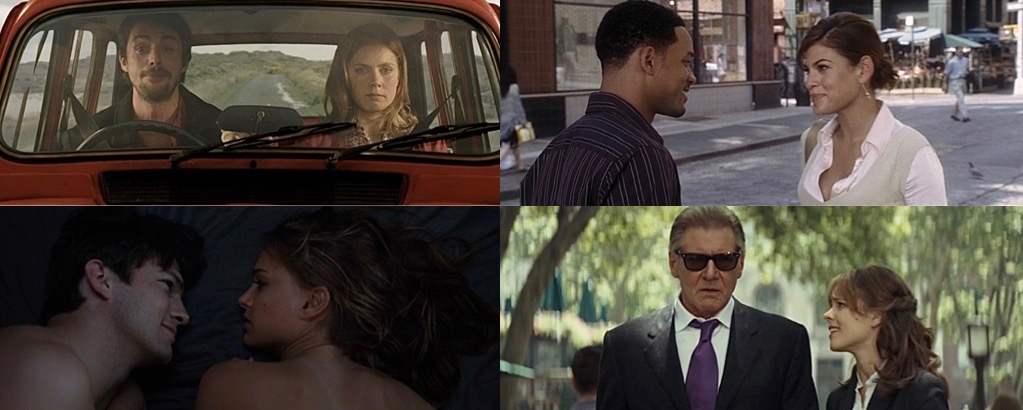
In case you’re getting cozy on your couch this weekend and need some fluff to help raise your spirits in between updates on the corononavirus epidemic, here are four super-cutesy movies to binge on Hulu.
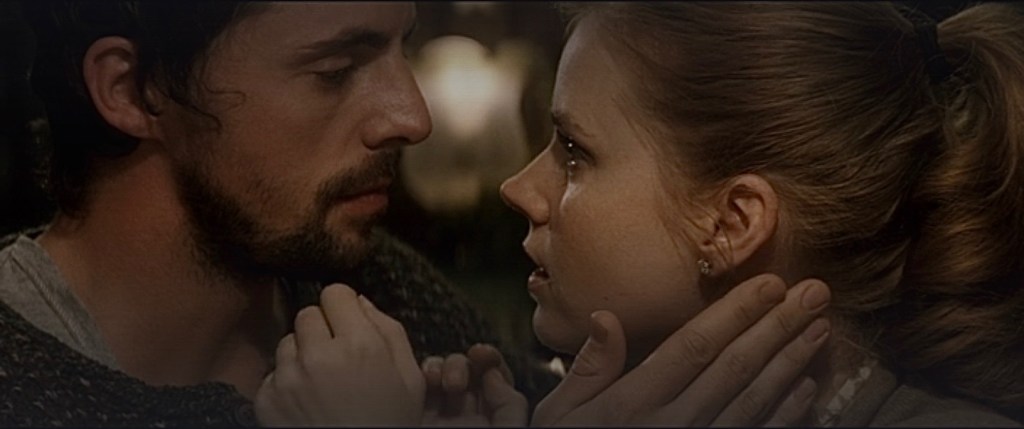
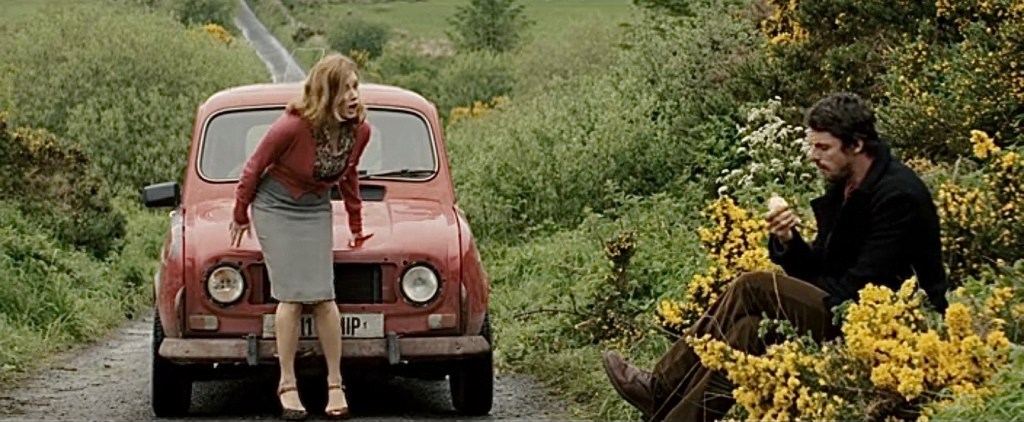
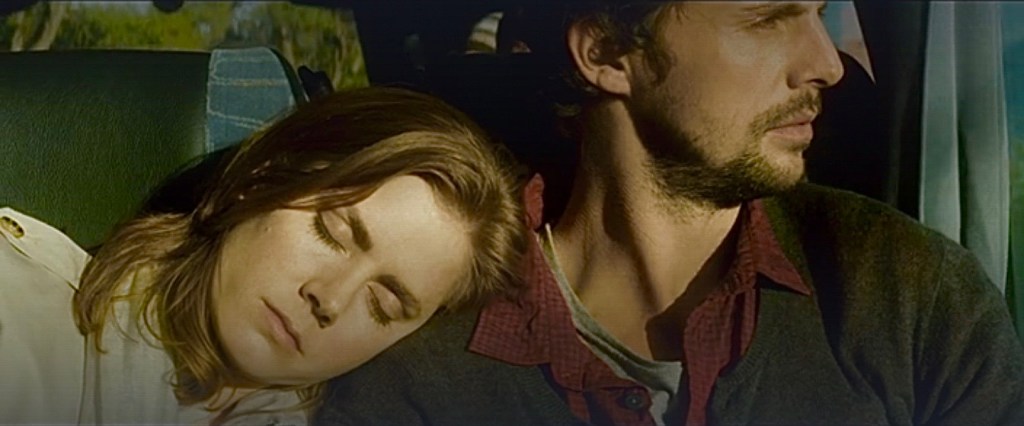
LEAP YEAR
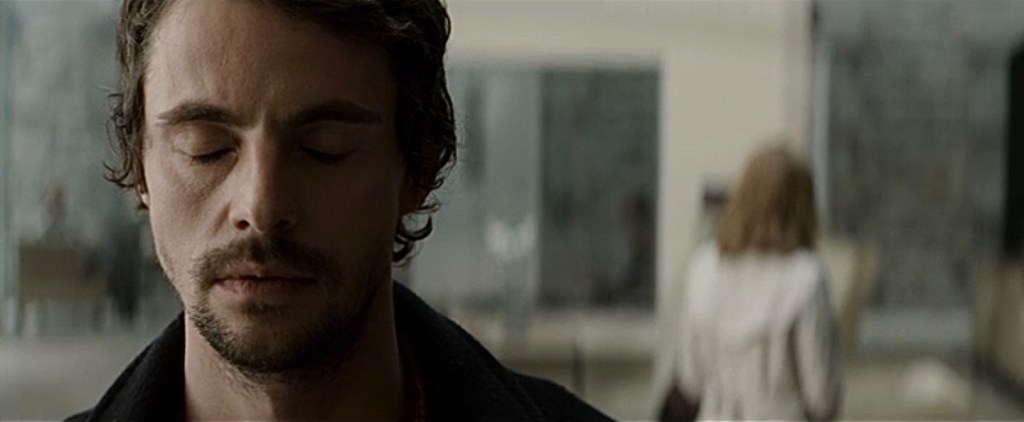
Matthew Goode and Amy Adams in Leap Year (2010)
Sometimes these chick-flicks are a lot of the same. The quirky girl, the cocky guy, and the constant bickering that inevitably leads to the realization that they’re totally in love. And we wouldn’t have them any other way. (Okay, maybe sometimes we would, but we still love the ones that take us through the same old predictable routine.)
This time the quirky girl is Anna (played by Amy Adams), the cocky guy is Declan (Matthew Goode), and the bickering is about Anna’s determination to get to Dublin, Ireland, in time to propose to her boyfriend (Adam Scott) on Leap Day and Declan’s determination to antagonize her as she gets knocked off course every step of the way. Anna, who is routine and rigid and has her life meticulously planned out (as well as this trip), hires Declan, a hotel manager/cook/taxi driver who’s not so much of a planner as he is a spontaneous free faller, to drive her as far to Dublin as he can. But after a scuffle over a cassette tape, a blockade of cows in the road, a car that flies off a curve, and a stolen suitcase named Louis, Declan becomes more of an irksome escort than a taxi driver (seeing as how the taxi is in a ditch).
But jumping through all these hoops makes Anna wonder if she’s on a mission to propose to the wrong guy. Her insistence on living her life and making her decisions according to a detailed schedule hasn’t gotten her where she expected, so maybe veering off course is fated to show her that the cocky guy who doesn’t have his whole life in order is the one she should’ve been looking at all along.
HITCH
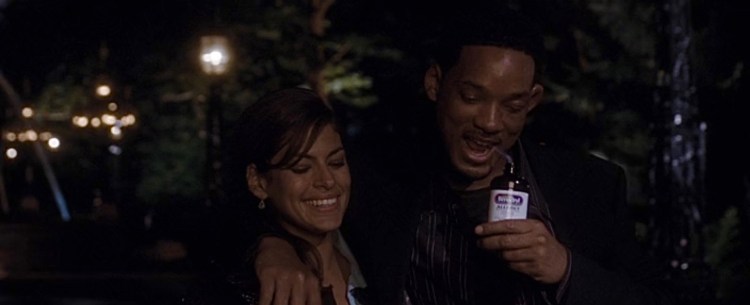
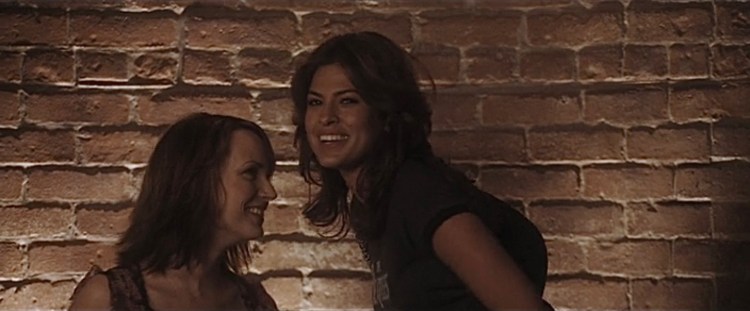
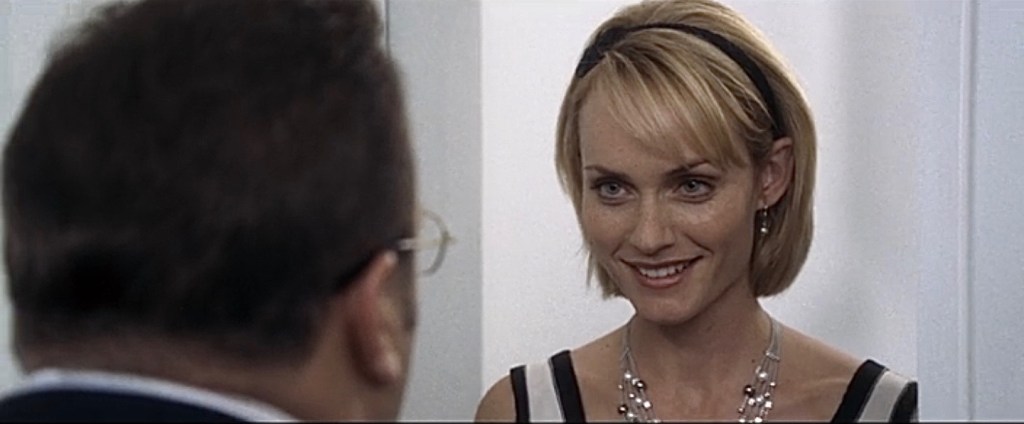
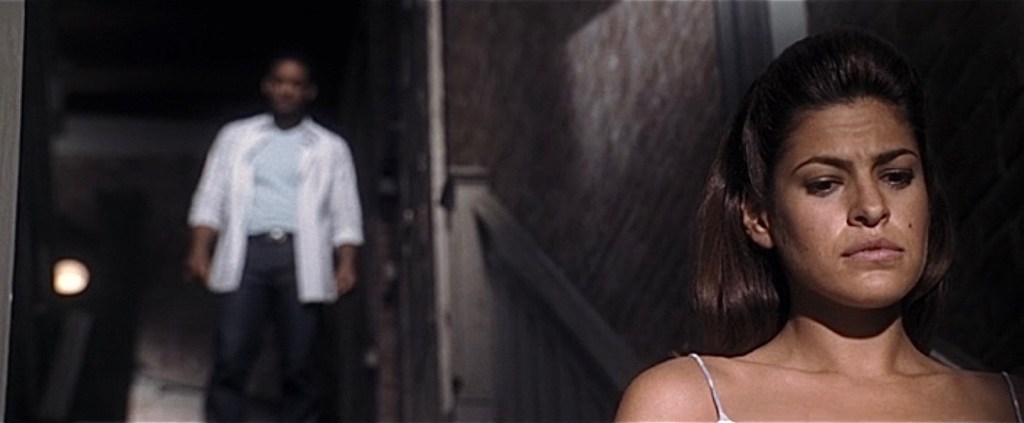
Eva Mendes, Will Smith, Julie Ann Emery, Kevin James, and Amber Valletta in Hitch (2005)
Will Smith and Eva Mendes are supposed to be front and center, but it’s Kevin James and Amber Valletta who steal the show. That’s not to say Smith and Mendes don’t have the necessary screen presence and chemistry to make a rom-com worth watching, both portraying assertive workaholics who don’t feel they have anything to prove, but James as the bumbling CFO who’s got no game and Valletta as the gorgeous heiress who’s clumsily adorable are the supporting characters with the supporting storyline that effortlessly takes over.
Alex Hitchens a.k.a. Hitch (Smith) is a professional “date doctor” who helps socially challenged men woo the women of their dreams. Albert Brennaman (James) is a not-so-suave hopeless romantic who’s love struck by a highly sought-after socialite (Valletta) that usually dates the rich, famous, and exceptionally tall and handsome. When Albert hires Hitch to assist him, a gossip columnist named Sara Melas (Mendes) gets a tip that sets her out to expose the infamous date doctor that she previously thought was an urban myth. But Sara happens to be romantically involved with Hitch, whom she doesn’t realize is the date doctor she’s intent on publicly outing, so that’s likely to cause some drama in this sweet, charming tale.
No Strings Attached
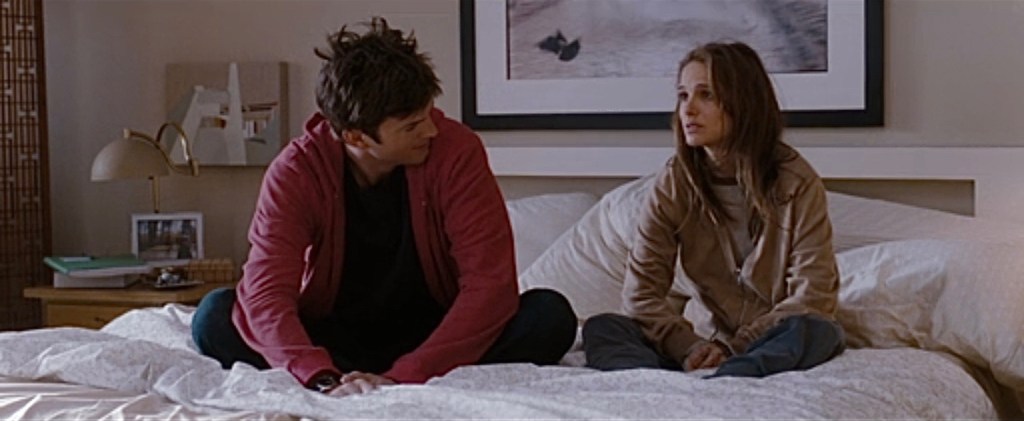
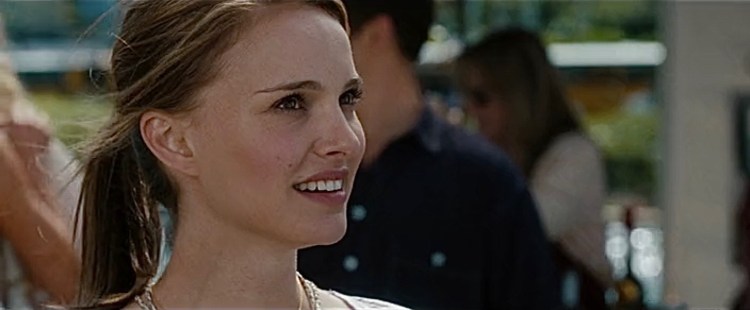
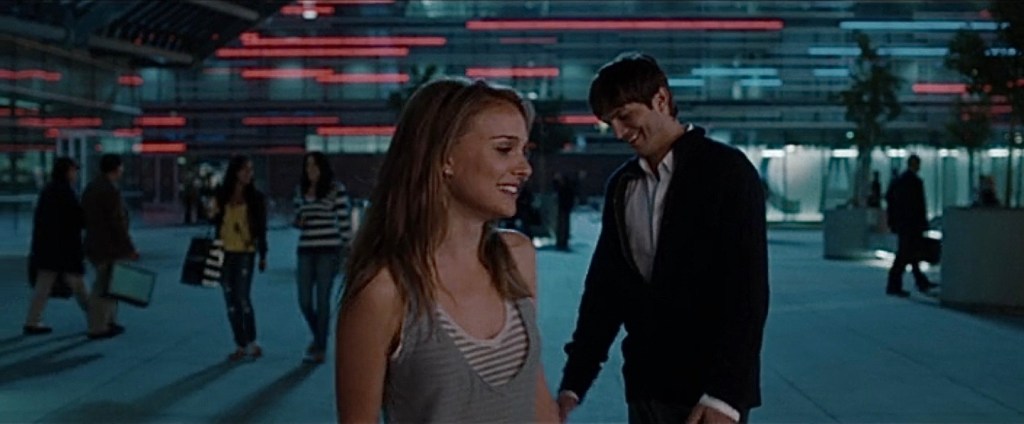
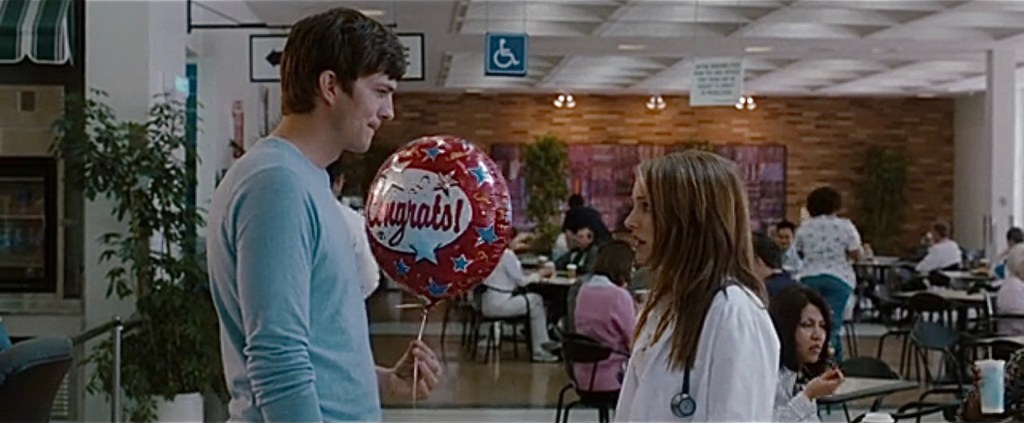
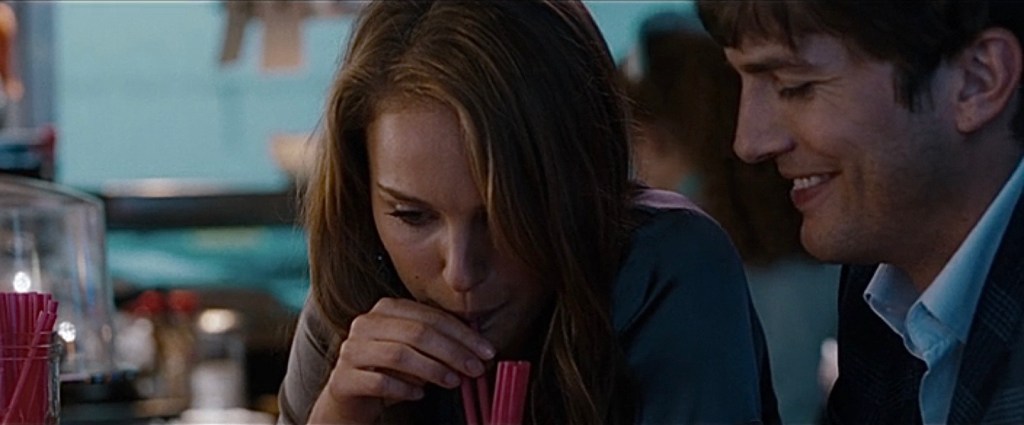
Natalie Portman and Ashton Kutcher in No Strings Attached (2011)
When Emma (Natalie Portman) invites her old friend, Adam (Ashton Kutcher), to be her date to her father’s funeral after recognizing him at a party one night, we quickly get a sense of the type of girl Emma is. Detached and unwilling to feel. And Adam figures that out, too, when she sends him on his way and tells him she doesn’t want to see him again.
The two meet up again a few years later and exchange phone numbers, but when he finally calls her on a drunken night after an upsetting encounter with his ex-girlfriend (Ophelia Lovibond) and wakes up naked on her couch with no recollection of what happened the night before, they quickly end up in her bedroom, forging an agreement to be friends with benefits, somewhat minus the friends part. Nothing happened the night before, apparently, besides Adam stripping for her roommates and making a fool out of himself, but that’s no reason things can’t happen now. And then again and again.
Imagine how splendidly that goes. Adam isn’t as detached as Emma. He wants more than their arrangement entails, but it only takes one moment of expressing too many feelings to send Emma running. But when she finally realizes she needs to stop being so afraid, will it be too late?
Also starring Kevin Kline (Grand Canyon, A Fish Called Wanda), Greta Gerwig (Maggie’s Plan, China, IL), Mindy Kahling (The Office, The Mindy Project), and Jake Johnson (New Girl, Safety Not Guaranteed).
MORNING GLORY
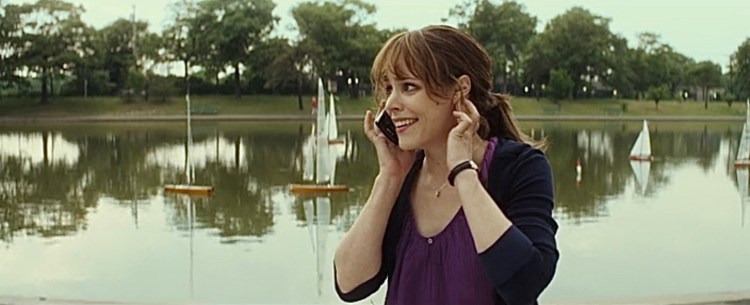
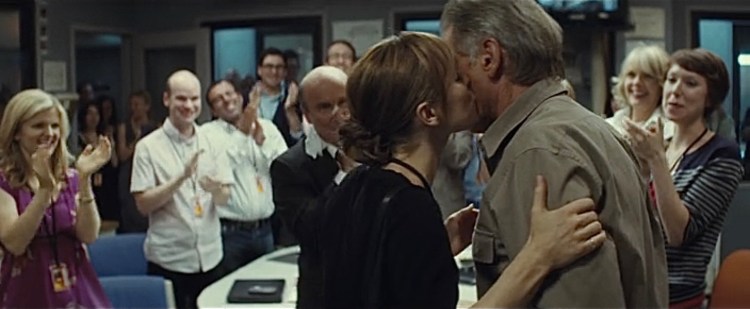
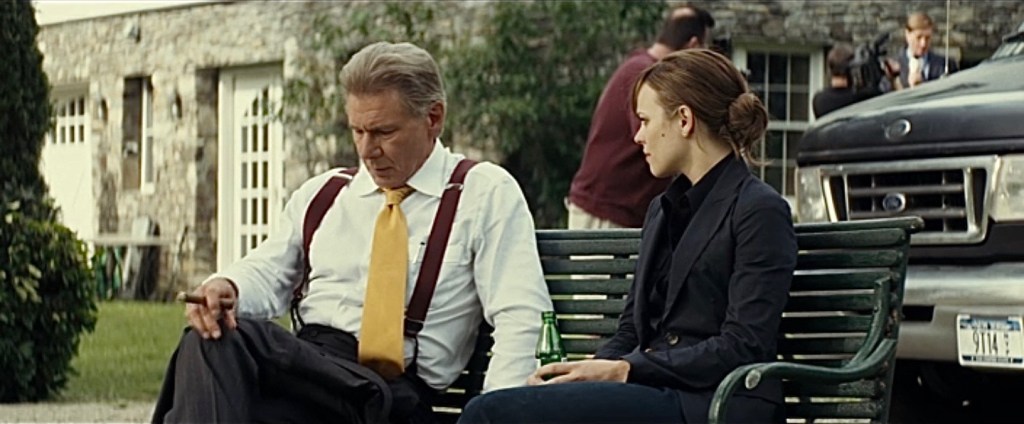
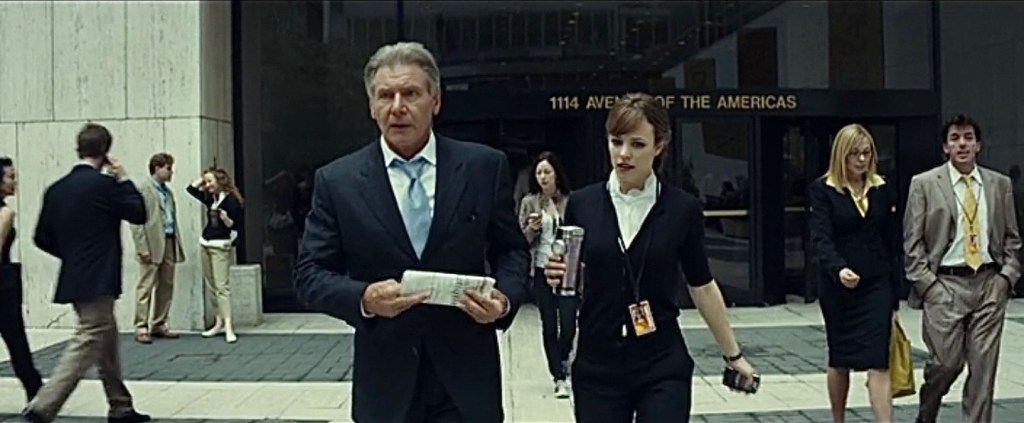
Rachel McAdams, Harrison Ford, and Patrick Wilson in Morning Glory (2010)
And then there’s this engaging tale about a perky optimist with big dreams and bigger ambition. Expecting a promotion, Becky Fuller (Rachel McAdams) instead loses her job at a morning show in New Jersey to someone with a more business experience. At first discouraged and reevaluating her longtime goal to work for The Today Show, Becky’s hope is revitalized when she eagerly accepts the position of executive producer for a failing morning show in New York. Despite concerns about her less-than-desirable resume for such a high-ranking designation, Jerry Barnes (Jeff Goldblum) takes a chance on Becky when she promises that not only can she can save Daybreak from being cancelled, but she can also turn it into the hit it once was.
She’s off to a rough start. There’s a reason the show is on the verge of being axed, after all, and she’s got little to work with besides a barely-there budget and a crew with a lot of potential that they’re not that into using. Desperate times call for desperate measures, so Becky coerces Pulitzer Prize, 16-time Emmy winning veteran news journalist Michael Pomeroy (Harrison Ford) into co-hosting with Colleen Peck (Diane Keaton), whom he thinks is beneath him, along with everyone and everything else.
Michael’s bad attitude and refusal to pretend he wants to be there (even while on camera) makes the situation worse, but underneath all that stubbornness and angry growling hides a reluctant willingness that only someone with Becky’s pestering yet endearing nature might be able to tap into. In the end, will Becky and Michael stop yelling at each other long enough to save Daybreak and each other?
Also starring Patrick Wilson (Hard Candy, Aquaman) and John Pankow (Mad About You, The Object of My Affection).
-Can you find it in your heart to forgive me? -I don’t have a heart.
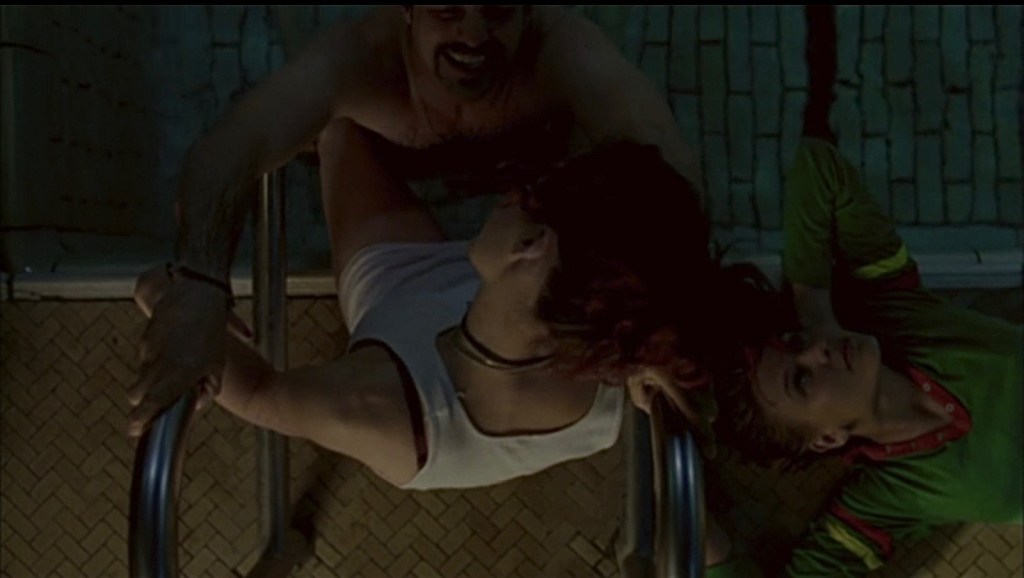
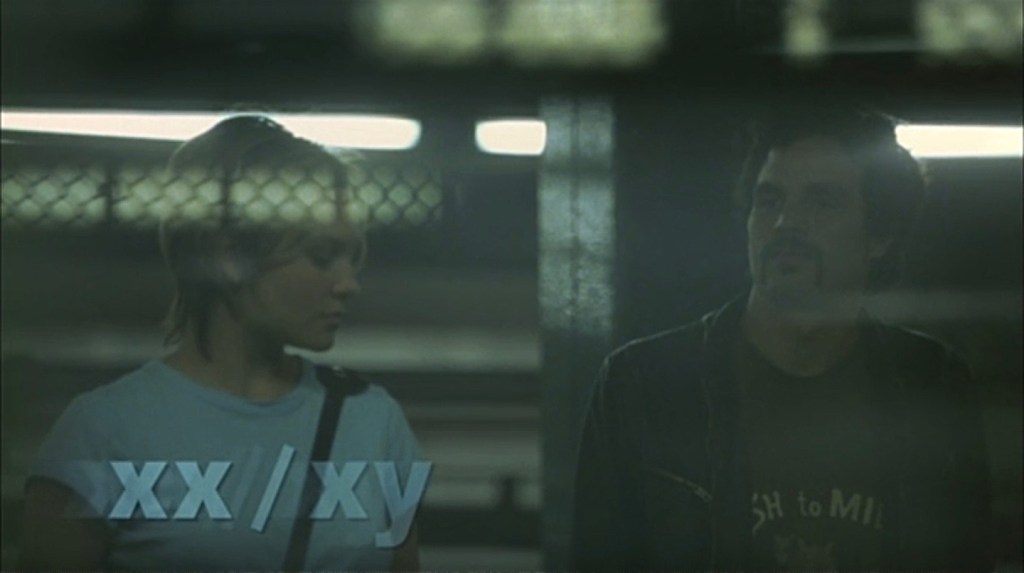
Don’t let the first eight minutes fool you. This isn’t porn or soft porn or anything like it, although it is sexually charged and has an emotional eroticism that hovers in plain sight. Written and directed by Austin Chick, XX/XY, which debuted in 2002, asks (and tries to answer) the more barbaric questions about love and relationships that we turn a blind eye to for the sake of our own. And in this tale of wishful thinking, friends and lovers learn that they can’t keep these questions from surfacing if everything they think they’ve been doing right is actually wrong, and that if you have to ask, you’re probably not going to like to the answer.
Coles (played by Mark Ruffalo) and Sam (Maya Stange) like each other right away. They have a too-soon sexual encounter that involves Sam’s feisty, party girl roommate, Thea (Kathleen Robertson), and their relationship becomes a perverse saga from there on out. Sam and Thea have a habit of seducing men together, and they’re not shy about it, but by inviting Thea into the bedroom with her and Coles, Sam haphazardly asks for an unconventional arrangement that Coles gets too comfortable with despite Sam’s realization that she wants him to herself.
Mark Ruffalo, Kathleen Robertson, and Maya Stange in XX/XY (2002)
After that first night, they become inseparable, and somewhere in their exploration of what a relationship is supposed to look like, they fall in love. Meanwhile, Thea is along for the ride and her constant presence doesn’t feel displaced. But it should. Sam looks almost pathetic trying to build something normal while Coles is willfully disobedient because it’s the only way he knows how to be. Their lifestyle is a nonstop proclamation of chaos and contempt that can only go for so long before it breaks. And what’s left is too ugly to face.
Almost a decade later, the three reunite.
Coles is living with his girlfriend of five years, Claire (Petra Wright), Sam has recently broken off an engagement and is casually dating a much-younger guy (Joey Kern), and Thea is very happily married to a wealthy restaurant owner named Miles (David Thornton), who credits her for his success. Mostly because Thea, Claire, and Miles are likeable people with positive vibes, they all have the terrible idea of becoming best buds. This group hug leads to frequent hangouts and weekend getaways, and sometimes it’s too awkward to witness.
Kathleen Robertson, David Thornton, Maya Stange, and Mark Ruffalo in XX/XY (2002)
For instance, watching Coles and Sam try to downplay the seriousness of their former relationship is almost laughable. They’re either trying too hard to convince each other or themselves that their youth gave them permission to be heedless and cruel, but neither is selling what they’re saying, which is superior acting on Ruffalo’s and Stange’s parts. Coles and Maya might be more grounded now, but they’re still a lot of the same. Coles is incapable of appreciating what he has unless he can do whatever he wants with it (although age has made him a weebit less egotistical and sadistic), and Sam hasn’t outrun her proclivity for flawed judgments and rash decisions that she then doesn’t know what to do with.
Thea, on the other hand, shows little trace of her former self. Her days of recklessness and promiscuity are behind her, and whatever hollow confinement she once needed to fill has been replaced with an esteemed self-awareness. Coles and Sam could use some of her maturity and wisdom, which she offers; but she can’t control them. They’re adults and it’s out of her hands. But like before, she’s a fated breech in their connection, in danger of once again becoming a casualty of their undoing.
Despite how erratic their so-called relationship was, and despite Coles’ failure to fully commit to Sam, he insists he still loves her. But does he? Thea isn’t so sure, and if anyone would know, it’s her. Coles’ inability to love the one he’s with is presenting itself as a pattern – and a problem. With no regard for the promises he’s made to Claire, whom Thea wants him to treat fairly, Coles can’t stop playing a game he’s never been able to win.
Is this the beginning or the end? And of what, and for whom?
Sometimes our minds are blown because a movie we were certain would be the most talked about for at least the next three-and-half years didn’t get talked about at all, or there’s the inevitable Oscar dis that sends us reeling. Meanwhile, we look at the beyond terrible terribleness that has everyone running to the box office in droves and face-palm a few times until we get over it. (I could name several of the former, but I’ll save it for now.)
But there are also those movies that are so good and who cares whether my fellow film-loving peeps are into them or not because it’s actually the Academy Award for Best Supporting Whoever that didn’t happen that leaves me asking “what they hey?” And maybe Oscar talk is a bit over the top, but there are three talented ladies in three great films that received little to no praise, so let’s change that and start talking.
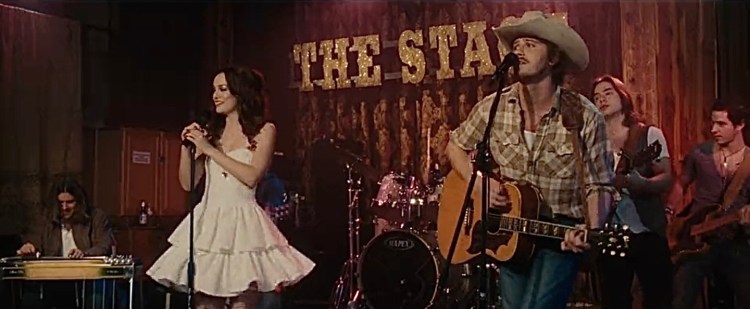
Leighton Meester in Country Strong
Leighton Meester and Garrett Hedlund in Country Strong (2010)
“As a woman in this industry, people have a habit of thinking I’m some kind of ignoramus. And my pageant training doesn’t exactly help things, so I have to overcompensate. You’re not the only one who thinks I’m just some dumb beauty queen.”
Chiles Stanton
I don’t know how Hollywood picks and chooses who takes center stage and who barely exceeds beyond a few noteworthy roles, but sometimes I’m baffled by who reaches red carpet stardom and, more often, who doesn’t. Leighton Meester, for instance, struck gold in 2007 when she landed the role of leading lady, Blair Waldorf, in the delicious teen soapbox escapade, Gossip Girl, alongside Blake Lively (Savages, A Simple Favor) and Penn Badgley (The Stepfather, You), but maybe it was more of a bronzed deal. There’s no question as to whether Meester was the perfect fit for the overindulged mischief-maker with too many redeeming qualities to dislike, and you’ll be hard-pressed to find someone who will say there might have been a better Blair Waldorf out there, but has Meester not gotten the recognition she deserves due to type-casting and too few opportunities to show she’s got the acting chops for more diverse roles?
Leighton’s leading roles in Monte Carlo and The Roommate were good, but they didn’t quite allow her to separate herself from Blair. (And they weren’t exactly box-office hits, so that’s unhelpful.) Not only were both roles too much like the Gossip Girl protagonist that Meester was already notorious for, but nor were they challenging enough to wow Hollywood bigwigs into pursuing her as the next Bond girl or something like it.
So what happened? In 2010, Meester shined as bright as the Dog Star as Chiles Stanton in Country Strong, portraying a beauty queen proving her worth as a singer while on tour with an emotionally troubled country queen named Kelly Canter (Gwyneth Paltrow), who’s fresh out of rehab and pressured into a hurried comeback. Chiles is handpicked by Kelly’s husband and manager, James (Tim McGraw), to perform as the opening act with Kelly’s friend/sponsor/not-so-secret lover, Beau (Garrett Hedlund), whom Chiles has a history with, as well as a wide-open agreement that they don’t like each other.
Granted, Chiles Stanton isn’t the biggest stretch from Blair Waldorf, but the stretch is big enough. Capturing Chiles’s essence in itself makes a solid case that Meester can conquer a softer, less snarky version of a prima donna than Blair, and with a sympathetic yearning that Blair didn’t garner from viewers because she had the gift of too much courage and over-the-top determination that either resulted in gloats that were too predictable to appreciate beyond a superficial attachment or pouts that didn’t exactly tug at the heartstrings. Chiles is determined but could do with more courage, and she has a childlike excitement that endears us and a sorrowed disappointment (when defeated) that we just don’t find fair because gosh-darn-it we love her.
The tone of Chiles’s ambition is affectionate. She’s high maintenance and rigid, but these less-than-desirable qualities come from nerves and insecurity, not entitlement. The desperation in her eyes, the uncertain pining in her voice, and the burning hope she exudes are why we root for her. But what really gets us is seeing how well Meester brings Chiles Stanton’s true desires into question while sifting through the turbulence of rising to fame, falling in love, and thinking she can have it all.
Seeing Leighton Meester in Country Strong is advantageous if you don’t appreciate her full potential but want to – and even if you don’t want to. With other killer performances by Gwyneth Paltrow, Tim McGraw, and Garrett Hedlund, a soundtrack by Michael Brook (Mission: Impossible 2, The Perks of Being a Wallflower) that you don’t have to be a lover of country music to give credit to, and a screenplay by Shane Feste (The Greatest, Endless Love) that expertly builds each fateful moment and climax, you have an impressive production that happens to be streaming on Netflix. FYI.
Note: Also catch Leighton Meester as Carla Powell in The Judge (2014) with Robert Downey Jr. and Vera Farmiga. You’ll thank me.
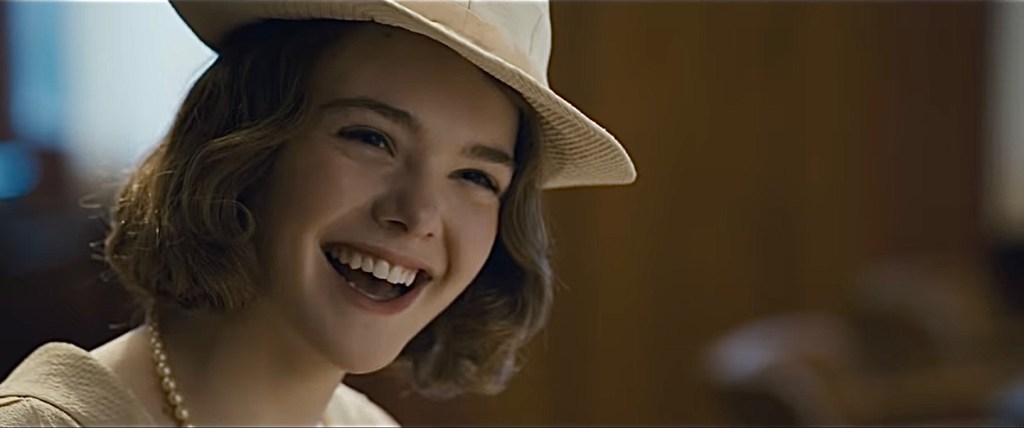
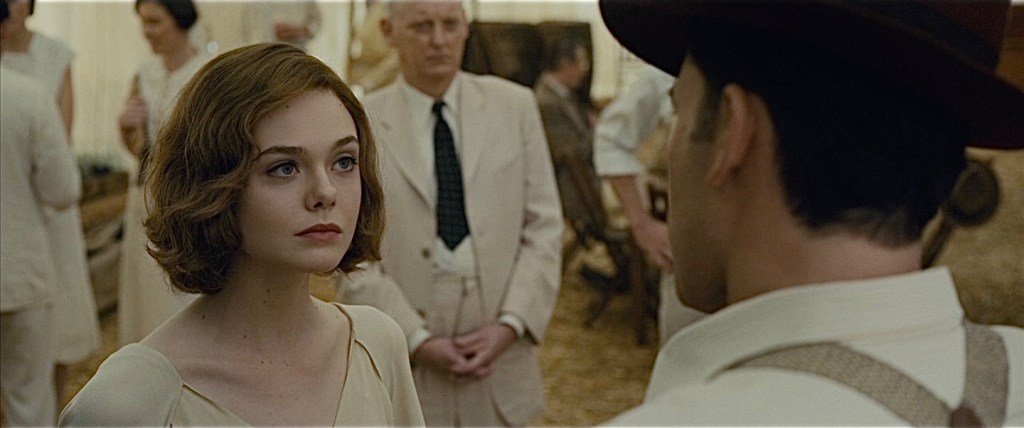
Elle Fanning in Live by Night
Elle Fanning and Ben Affleck in Live by Night (2016)
“I don’t know if there is a God. But I hope there is. And I hope he’s kind. Wouldn’t that be swell?”
Loretta Figgis
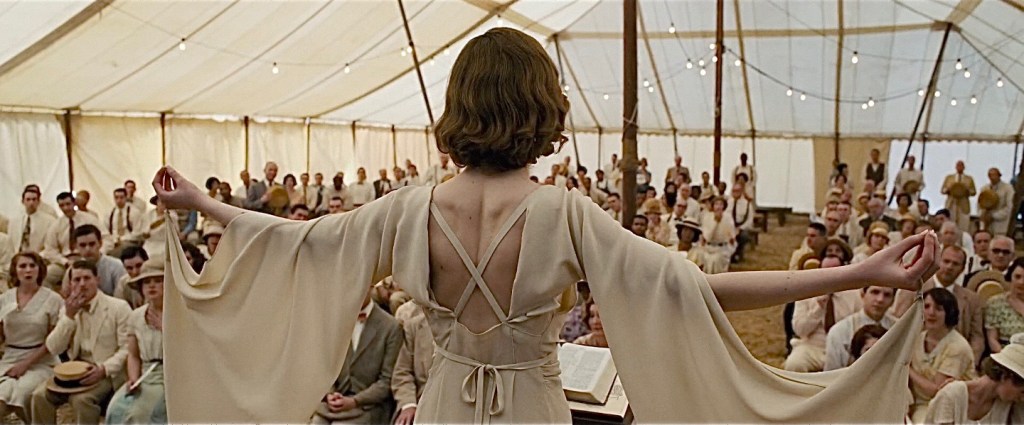
Elle Fanning doesn’t need a breakout role, nor does she need a random blogger here begging people to pay attention to her. She’s got this. But I’m still irked that nobody remembers her as Loretta Figgis, the girl who got lost on her way to Hollywood and turned to God in her quest for redemption. The Prohibition-era crime-drama, Live by Night, based on the novel by Dennis Lehane, about a World War 1 veteran (played by Ben Affleck, who also wrote, directed, and co-produced with Leonardo Di Caprio) trying to make it as a ruthless gangster despite his morality getting in the way, was a box office bomb in 2016 due to mixed reviews and a crowded theater release, but that’s no excuse for Elle Fanning bombing with it. She was Loretta Figgis!
When Loretta arrived home after getting sidetracked by drugs and prostitution and opened her mouth as the new and completely unimproved bible thumper on a mission to rid the world of sin, I wanted to smack her into the next scene, where hopefully Ben & the Boys would do what gangsters do and get her out of their way. After all, her pulpit represented a very real problem for their business venture in casino dealings, and don’t crime bosses remove such obstacles without having to step back and give it a think?
Well, no, not if the problem is Elle Fanning. Not only did Affleck’s Joe Coughlin sit down for a heart to heart with Little Bo Peep and turn her into a human being that didn’t just preach nonsense in a tent and give clichéd responses when Joe tried to reason with her, but he had to go the extra mile and make it abundantly clear that he liked her. And dammit if we didn’t like her now too.
God doesn’t save Loretta from the internal torture that she tries to bury by preaching his word and pissing off gangsters. Nor does God save her from said gangsters. No, it’s Joe who does the latter, despite knowing it will cost him and his associates everything they’ve worked for and had within reach – until Loretta showed up and single-handedly wiped their deal clean. Despite coaxing from his partner in crime, Dion Bartolo (Chris Messina), and the likelihood of a brutal backlash from his boss, Italian Mafia gangster Maso Pescatore (Remo Girone), Joe can’t summon the cruelty to call for Loretta’s head. His decision unleashes hell around him and everything he holds dear.
In what might have been her most compelling role yet, Fanning made legitimate A-Listers Sienna Miller (Alfie, The Loudest Voice) and Zoe Saldana (Star Trek, Avatar) practically disappear, and with barely half the screen time. However small her role, its importance was apparent considering Loretta’s effect on the main enterprise, and Fanning’s enthralling performance ensures that Loretta’s importance isn’t questioned. But while Joe was powerful enough to save Loretta from his dangerous friends and foes, is he powerful enough to save her from her inner turmoil? Her newfound faith in God is a transient fix that doesn’t remove the anguish she carries. Exuding an overwhelming sadness that she manifests rather than hides with her sanctimonious grievances, Elle Fanning illustrates the crippled thrust from which it’s not always possible to heal.
The movie bombed at the box office, sure; but that just means too many people missed out. Live by Night is worth the 129 minutes. I wouldn’t lie to you.
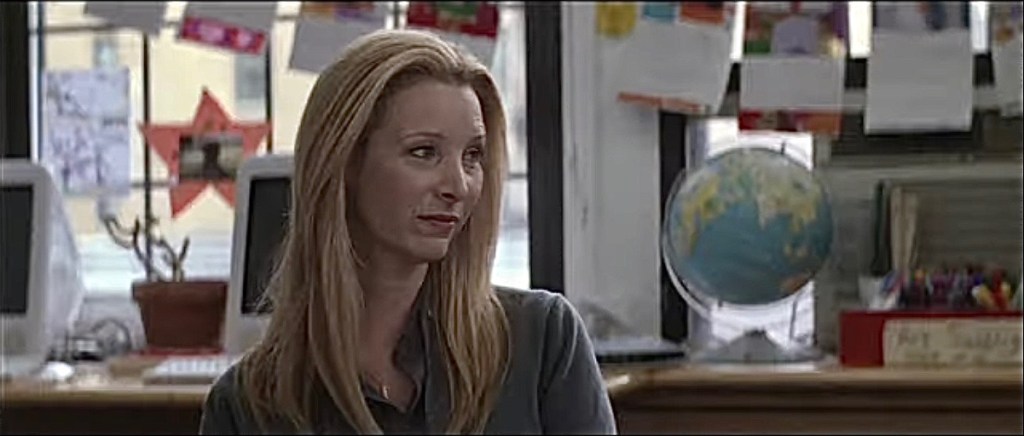
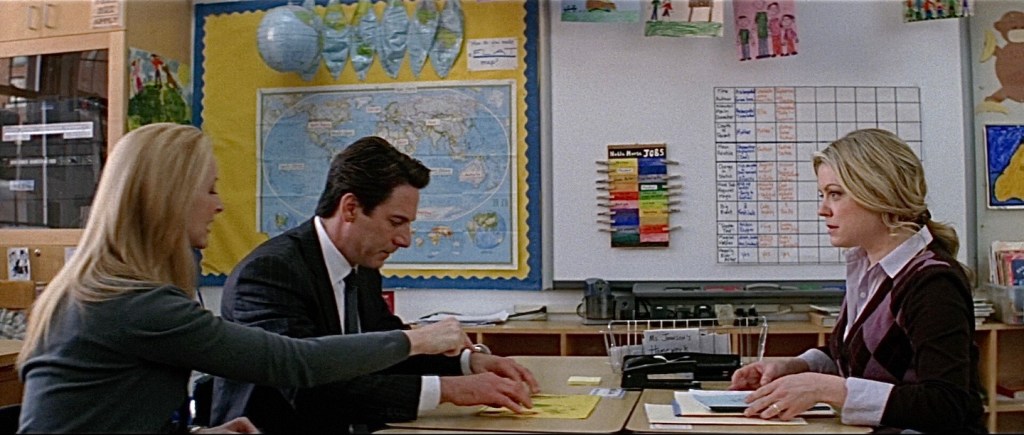
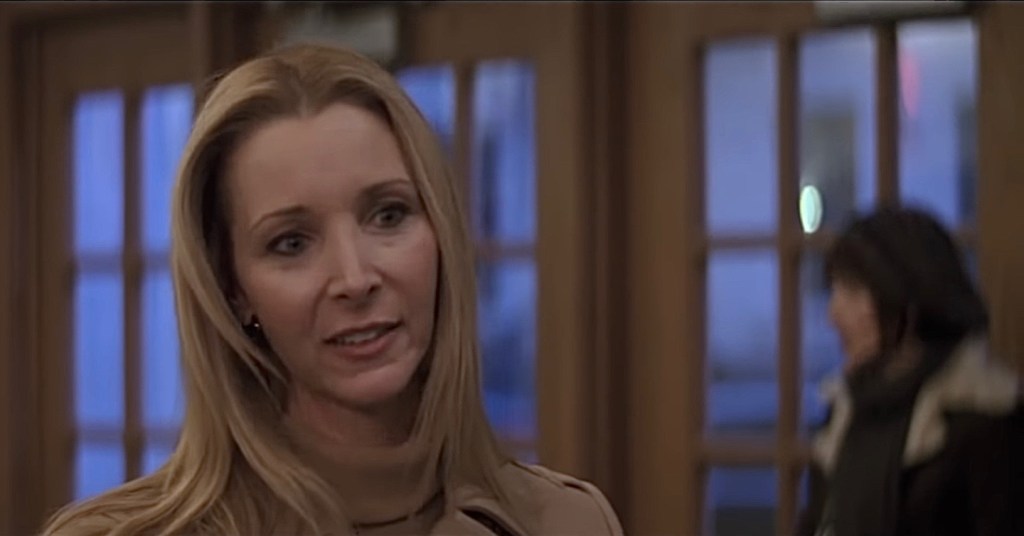
Lisa Kudrow in The Other Woman
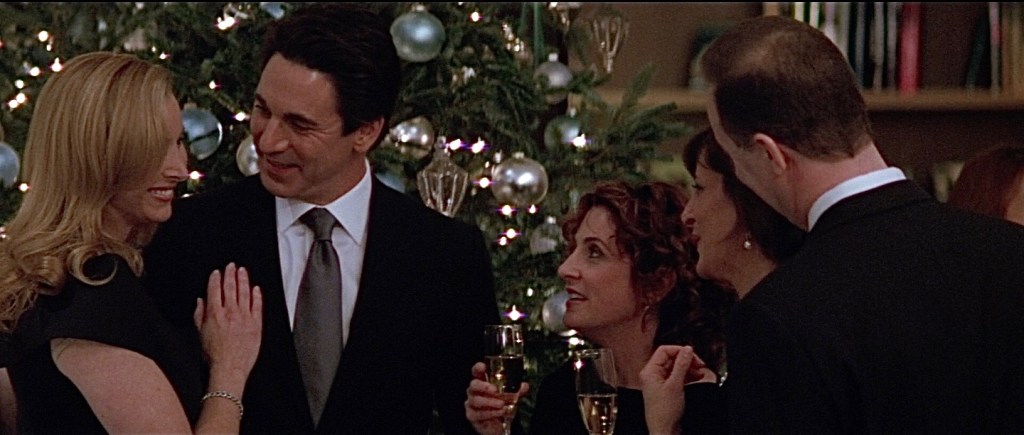
Lisa Kudrow and Scott Cohen in The Other Woman (2009)
“I need to know that you understand what I’m saying, so I’m going to repeat this until you say that you understand. You didn’t kill your child, Emilia. You didn’t kill your baby. Your baby died… because babies do, sometimes. They just slip away for no reason.”
Carolyn Soule
It’s very, very difficult to outshine Natalie Portman. She is, after all, completely and absolutely 100% unoutshineable. She is and always will be the hypnotic beauty that leads the way with her perfect everything and ain’t nobody taking that away from her.
So Lisa Kudrow doesn’t do that.
With that out of the way, Kudrow was a phenomenal presence as Portman’s loathsome rival in The Other Woman, a 2009 drama based on Ayelet Waldman’s novel, Love and Other Impossible Pursuits, which I’d never heard of until now, but I’m sure it’s good.
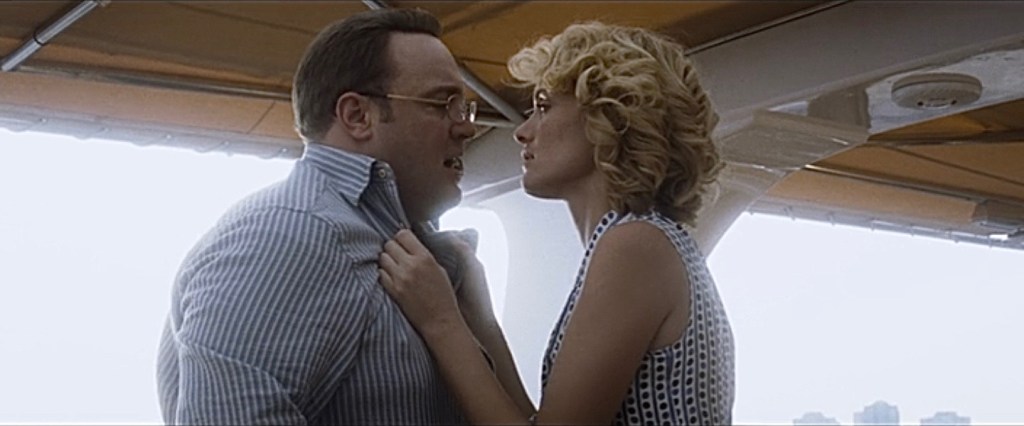
Lisa Kudrow plays Carolyn, a prominent obstetrician in New York whose husband, Jack (Scott Cohen), a partner at one of the city’s top law firms, leaves her for a younger woman named Emilia (Portman). Emilia, a junior associate at Jack’s firm, doesn’t go on a mission to have an affair with Carolyn’s husband, but she doesn’t try to avoid it, either. Despite her transgression, she’s initially presented as a misunderstood martyr who gets pregnant and too quickly marries a man with more baggage than she’s prepared for, so their newlywed bliss is short-lived because his baggage isn’t courteous enough to disappear for a while.
Carolyn’s controlling temperament and inability to treat Emilia like a capable adult complicates their lives due to Jack’s passive disposition in dealing with his ex-wife. And hard as she doesn’t try, Emilia can never please Carolyn. And then there’s Jack and Carolyn’s son, William (Charles Tahan), whose limited social skills endlessly cause him to say all the wrong things, which Emilia reacts to by erupting. In Emilia’s defense, the sensitive issues are William’s favorite, the most notable being her and Jack’s baby, Isabel, who died from SIDS when she was three days old, so anyone in Emilia’s position would have difficulty remaining levelheaded. Then again, William is eight years old and doesn’t fully comprehend her frustration. And of course Carolyn always learns everything Emilia says and does, if not from William, then from Jack, who’s always confiding in Carolyn despite her aversion to his existence.
(Perhaps it’s guilt. Or perhaps he respects that they’re bonded because she’s William’s mother.)
Normally, 15 minutes of screen time doesn’t give anyone a fair chance to pull off a convincing and memorable performance, but Kudrow dominates. In fewer than a handful of not-that-lengthy scenes, she excels at stepping into the shoes of a betrayed wife and embodying every ounce of hurt, anger, frustration, and hindered rage that she can muster. While her character, Carolyn, never bottles up her hatred, the darkest parts of her animosity are withheld as she noticeably struggles to keep herself (somewhat) composed. And most viewers detest Carolyn, but the problem with Carolyn is the setup of the story she’s in. We’re supposed to detest Carolyn. Emilia is the heroine, the one that viewers are led to sympathize with, while Carolyn is our very own version of the wicked witch that the house missed in the fall.
But it doesn’t matter if Carolyn is Mother Teresa or the devil incarnate. What matters is how Kudrow brought her to life and never made us question her validity. She’s the resentful ex-wife who makes no attempt to dance around her hostility. Kudrow’s depiction of Carolyn is so credible that it never even occurs to us to empathize with her.
We fail to consider why Carolyn is so spiteful. We fail to see her objectively. And yes, it’s difficult to see her objectively when nearly every second of her screen time is spent tearing into Emilia or lashing out at Jack because of Emilia. Carolyn thinks Emilia is reckless with William, but it’s not so much her objection to Emilia as it is her protective nature of her son that causes her outbursts. (But that’s not to say her objection doesn’t play its part.) Of course she’s going to react negatively when her son’s stepmother, whom she sees as untrustworthy and incompetent, keeps falling short when William is in her care.
But I still think our own opposition of Carolyn is a positive reflection of Lisa Kudrow’s performance. She’s as mad as any woman would be if her husband got another woman pregnant and left, but if you take a step back and picture her without Emilia in the world, Carolyn is actually quite likable.












 Certain Movies & Things